
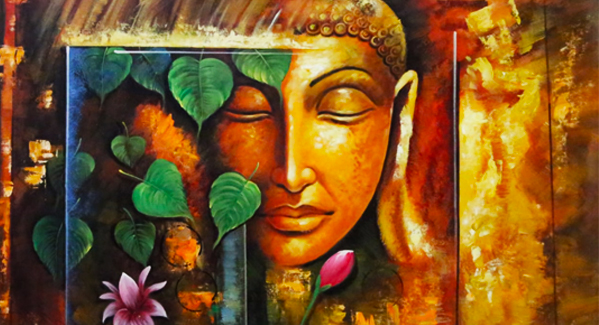
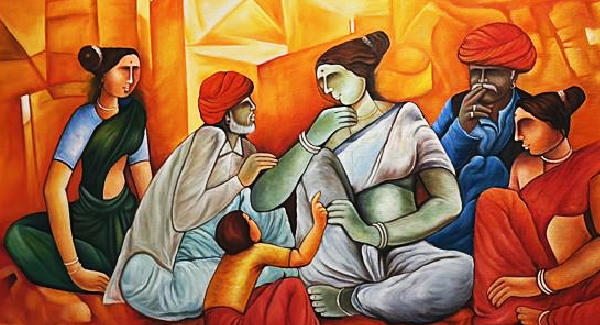
Selecting restaurant wall painting involves more than finding an attractive image. Decorative artwork must fit the dining concept, usable wall dimensions, furniture arrangement, viewing distance, lighting and operating conditions. Canvas prints, painted canvases, framed pieces, photography, abstract compositions and customised designs can all suit hospitality interiors when their scale and visual character match the setting.
Here, wall painting means movable decorative artwork rather than coatings, murals or paint applied directly to a surface. Consequently, buyers should evaluate the room and artwork together before choosing a format, subject or size.
Start With the Restaurant Concept, Not the Artwork
A strong artwork choice begins with the dining environment. Fine dining, casual restaurants, cafés, family dining spaces and quick-service interiors can differ considerably in furniture density, lighting, materials, wall area and viewing distance. Therefore, the same artwork may appear balanced in one setting and visually misplaced in another.
A contemporary interior with simple furniture and restrained finishes may accommodate abstract geometry, monochrome photography or minimalist compositions. In contrast, an interior featuring timber, textured surfaces and traditional details may support botanical, architectural, cultural or carefully selected vintage-inspired imagery.
Cuisine can inform subject choice without dictating it. A regional dining concept, for example, might use artwork connected with local architecture, landscape, ingredients or craft traditions. However, cultural references require thoughtful selection rather than decorative stereotypes.
Before buyers buy restaurant wall painting, they should examine the visual language already present in the room. Flooring, furniture, lighting, wall finishes, architectural details and decorative objects create a context that the artwork must either complement or intentionally contrast.
Choose Artwork for the Specific Dining Zone
Restaurant interiors rarely offer identical wall conditions throughout. Main dining walls, reception areas, corridors, waiting spaces, counters and private rooms each create different viewing positions and practical restrictions.
Artwork across a main dining room may need clear forms that remain visually coherent from several tables. Meanwhile, a piece beside intimate seating can contain finer details because diners view it from a shorter distance.
Walls above banquette seating require additional thought. The artwork should relate to the width of the seating arrangement while avoiding a scale that feels cramped between nearby architectural features. Moreover, placement should account for seated sightlines rather than relying solely on how the empty room appears.
Reception walls often provide cleaner sightlines and fewer furniture interruptions. Consequently, they may accommodate stronger statement pieces. Corridors, however, usually offer shorter viewing periods, making highly intricate compositions less practical in some layouts.
A restaurant wall art painting should therefore respond to its exact location rather than serve as interchangeable decoration.
Select Subjects That Belong in the Interior
Restaurant artwork does not need to depict food. Abstract compositions, landscapes, architecture, botanical imagery, still life, geometric forms, cultural subjects and contemporary illustration can all work when they connect naturally with the surrounding design.
Food-related subjects can make sense where they reinforce an established visual direction. Ingredient studies, culinary illustrations, botanical depictions of herbs or produce and carefully composed still life can provide a direct connection with dining without becoming excessively literal.
However, repeatedly displaying plates, cutlery, coffee cups or generic food photographs can make an interior visually predictable. Abstract food-inspired forms offer another approach because they can reference colour, shape or ingredients without reproducing a meal literally.
Architectural imagery may work particularly well where the restaurant already uses strong structural or regional references. Similarly, botanical subjects can coordinate with timber, stone and natural textures without requiring exact colour matching.
Subject choice should ultimately relate to the restaurant’s visual character, wall position and viewing conditions.
Motifs Should Support Rather Than Compete With the Room
Artwork competes visually with furniture, lighting, table settings, architectural features and people occupying the dining space. Consequently, visual complexity deserves as much attention as subject matter.
A highly detailed composition may suit a restrained wall surrounded by simple furniture. However, the same piece can feel crowded against patterned surfaces, decorative lighting, shelving or strongly textured materials.
Minimal artwork creates a different relationship with the room. Large areas of negative space, simplified forms and controlled colour can provide visual separation where the interior already contains substantial detail.
Typography requires particular restraint. Short text can remain legible at normal viewing distances, whereas dense wording often demands close inspection. Buyers should check typeface, contrast, letter scale, spelling and punctuation before ordering text-based pieces.
Artwork should contribute a distinct visual element without forcing every surface to compete for attention.
Treat Style Labels as Descriptions, Not Quality Evidence
Commercial product descriptions frequently use broad style terms. Buyers should interpret them by examining visible and measurable characteristics rather than assuming that a label proves workmanship.
A modern restaurant wall painting may feature contemporary abstraction, geometric forms, restrained typography, simplified illustration or minimal photographic treatment. The description primarily communicates visual direction.
Similarly, a decorative restaurant wall painting may focus on coordinating with furniture, lighting and surrounding finishes without carrying a strong narrative subject.
A designer restaurant wall painting can indicate intentional composition, custom dimensions or coordinated styling where the actual product demonstrates those qualities. Nevertheless, the label alone says little about canvas tension, print clarity, framing or construction.
The descriptions luxury restaurant wall painting and premium restaurant wall painting require equal caution. Buyers should look beyond positioning language and inspect materials, production method, surface finish, artistic execution, dimensions, framing and mounting details.
Specific product information carries more value than broad descriptive labels.
Handmade Artwork Needs Its Own Quality Checks
A handmade restaurant wall painting can provide visible brushwork, paint variation and physical surface texture that printed artwork does not reproduce in exactly the same way. However, manual production does not automatically establish stronger construction, greater originality or longer durability.
Buyers evaluating painted work should inspect close-up photographs where available. Brushwork, edge finishing, colour transitions, surface consistency and canvas preparation can reveal more than a distant room photograph.
Texture deserves particular attention because raised paint can react differently to directional lighting. Consequently, a heavily textured canvas may produce visible highlights and shadows that change throughout the dining area.
Framing also affects presentation. A painted canvas may use a visible external frame, gallery-wrapped edges or another finishing approach. Buyers should verify what arrives with the product instead of assuming that styling shown in photographs forms part of the purchase.
Printed and handmade formats serve different aesthetic preferences; neither automatically outranks the other.
Canvas Construction Deserves Close Inspection
A restaurant canvas wall painting combines an image or painted surface with a physical support system. Buyers should therefore assess the artwork and its construction separately.
Useful checks include:
- canvas surface and visible texture;
- evenness of canvas tension;
- print or paint application;
- edge treatment;
- stretcher-frame construction;
- corner finishing;
- backing condition;
- external framing where supplied;
- complete width, height and depth;
- stated weight where available;
- mounting provisions.
A stretched canvas wraps around an internal supporting structure. In contrast, an external decorative frame surrounds the finished artwork and changes its visible dimensions and visual weight.
Canvas also creates a different presentation from framed paper prints, metal pieces or direct graphics. Its textured surface can soften photographic imagery, while gallery-wrapped edges can produce a relatively simple profile.
Someone planning to buy restaurant canvas wall painting should confirm construction details rather than judging the product solely from its front image.
Printed, Painted and Mixed-Media Pieces Behave Differently
Printed canvas can reproduce photography, digital illustration, typography and repeated designs consistently. However, enlargement quality depends on the source image and production process.
Original painted canvas provides physical paint texture and individual execution. Reproductions copy an existing image through printing or another production method, while hand-finished prints may combine mechanical reproduction with manually applied details.
Mixed-media work can introduce layered textures or several materials. Consequently, it may require more careful maintenance than a simple flat print.
Photographic prints often emphasise fine visual detail, particularly when presented behind or within suitable framing. Meanwhile, customised digital artwork offers flexibility in colour, dimensions and composition where the supplied production options permit those changes.
Buyers should compare visual texture, detail, finish, customisation, maintenance and production information. The appropriate choice depends on the intended setting rather than an assumed hierarchy between printed and painted work.
Measure the Wall Around Tables and Furniture
Total wall dimensions rarely equal usable display space. Banquette seating, sideboards, counters, windows, doors, columns, decorative lighting and architectural details can substantially reduce the area available for artwork.
Before selecting dimensions, record:
- visible wall width and height;
- furniture width beneath the artwork;
- nearby doors and windows;
- columns and fixed architectural elements;
- wall-mounted lighting;
- ceiling height;
- normal viewing distance;
- surrounding negative space;
- nearby decorative objects;
- likely furniture rearrangements.
Artwork above a banquette needs different proportional reasoning from artwork placed on an uninterrupted reception wall. In practice, the visible relationship between canvas, furniture and surrounding wall matters more than total room size.
A large restaurant wall painting can create a clear focal point across an open dining area. However, larger dimensions also affect handling, mounting and visual dominance. A piece that looks appropriately scaled in an online room mock-up may overwhelm a narrower real wall.
Measurements should therefore come from the intended installation area rather than photographs.
Orientation Should Follow Architecture and Sightlines
Portrait, landscape, square and panoramic artwork occupy wall space differently. The suitable orientation depends on both the composition and the architectural area available.
Portrait pieces can fit narrow spaces between windows, columns or other vertical elements. Landscape artwork uses horizontal wall width and may coordinate naturally with long tables, sideboards or seating runs.
Panoramic compositions require broader uninterrupted areas. For example, a long artwork above banquette seating creates a different visual relationship from a vertical canvas positioned between architectural openings.
Square pieces can provide a more neutral footprint, while vertical or horizontal series allow several artworks to follow repeated architectural features.
The image itself also affects orientation. A composition designed around strong vertical movement may lose its intended character if cropped into a wide format.
Therefore, buyers should compare wall shape, furniture position, artwork composition and viewing direction before deciding on orientation.
One Statement Piece and Multiple Artworks Solve Different Problems
A single large canvas creates uninterrupted visual continuity. It can work effectively where the wall offers enough open area and surrounding furniture provides a stable visual reference.
Several coordinated pieces offer greater flexibility. They can follow a long wall, respond to repeated seating sections or fit around architectural interruptions.
Multi-panel artwork divides one composition across separate canvases. Consequently, spacing becomes part of the image. Uneven gaps or poor alignment can interrupt important visual elements.
Multiple independent artworks require their own relationship with one another. Similar framing, colour treatment or subject direction can create coherence without forcing every piece to match exactly.
Installation effort also differs. Several pieces require additional alignment and mounting points, while one oversized canvas can present greater handling challenges.
The decision should respond to wall dimensions, furniture layout and visual continuity rather than assumptions about which arrangement looks more sophisticated.
Coordinate Colour Without Matching Every Interior Element
Restaurant interiors often contain several material colours at once: wall finishes, timber, stone, upholstery, flooring, metal, curtains and decorative lighting. Artwork does not need to reproduce all of them.
A restrained composition can repeat one or two accent colours while leaving other tones independent. Conversely, artwork can introduce deliberate contrast against a neutral wall.
Saturation matters particularly in visually dense interiors. Highly saturated artwork can compete with patterned upholstery, colourful furniture or textured walls. In contrast, monochrome or muted pieces may create clearer separation.
Warm and cool tones also change according to surrounding illumination. Therefore, buyers should evaluate colour in relation to the restaurant’s normal lighting rather than relying solely on bright digital product images.
Exact colour matching can make an interior feel overly coordinated. A more flexible approach considers relationships among dominant tones, smaller accents, material finishes and contrast.
Restaurant Lighting Changes Artwork Appearance
Artwork seen under bright product photography may appear substantially different in a dining room with subdued ambient lighting. Fine detail, dark tones, surface texture and colour intensity can all change visually.
Pendant lights may create local pools of illumination, while recessed or directional lighting can produce stronger highlights. Daylight can also alter appearance across different parts of a room.
Glossy finishes may show reflections under direct illumination. Meanwhile, textured painted surfaces can create small shadows that emphasise brushwork or raised details.
Dark artwork requires sufficient tonal separation to remain readable in lower light. Similarly, subtle colour differences may become less obvious under dim conditions.
Where possible, buyers should consider the artwork under lighting similar to the intended dining environment. Product photographs remain useful, but they cannot reproduce every combination of screen settings, room illumination and surface reflection.
Reflective Surfaces Can Multiply Visual Complexity
Mirrors, polished metal, glass and glossy tiles can reflect artwork even when they sit on another wall. Consequently, the room may display the composition from several directions.
A busy image facing a large mirror can appear more visually dominant because its reflection adds another layer of detail. Conversely, restrained artwork may benefit from the additional sightline without making the space feel crowded.
Reflection can also alter perceived scale. A canvas that appears modest on its own wall may seem more prominent when diners see both the original and reflected image.
Glare deserves attention where glossy artwork and reflective surfaces interact with strong lighting. Therefore, buyers should inspect direct and reflected viewing positions before fixing a final location.
Print and Canvas Quality Become More Visible at Scale
Large artwork exposes production weaknesses more readily than small images. Pixelation, weak tonal detail, inconsistent colour and unclear edges may become more noticeable when a source image undergoes substantial enlargement.
For printed work, examine:
- image sharpness;
- tonal detail;
- colour consistency;
- fine-detail reproduction;
- visible pixelation;
- enlargement quality;
- edge consistency.
Canvas construction requires additional checks:
- even surface tension;
- straight edges;
- sound corners;
- consistent wrapping;
- visible sagging or distortion;
- stable stretcher construction;
- clean backing;
- appropriate surface finish.
A small online preview cannot reveal every physical characteristic. Consequently, close-up product photographs and clear construction descriptions carry particular value when evaluating larger pieces.
Buyers considering restaurant wall art painting online should focus on these tangible details instead of relying on broad claims about quality.
Framing Changes Dimensions and Visual Weight
Gallery-wrapped canvas continues around an internal stretcher and can appear visually simple without an external decorative border. An externally framed canvas adds another visible element around the image.
The external frame can increase total dimensions, so buyers should verify whether listed measurements refer to the image, stretched canvas or complete framed product.
Frame colour and thickness also influence visual weight. A substantial dark frame may create strong separation from a pale wall, whereas a restrained frame can produce a lighter visual boundary.
Artwork supplied unstretched requires additional preparation before conventional display. Therefore, buyers should identify the supplied format before ordering.
Framed paper prints introduce different construction and surface characteristics from canvas. Neither option automatically indicates greater quality; suitability depends on presentation, material, mounting and the surrounding interior.
Artwork Should Relate to the Restaurant’s Existing Visual Direction
Artwork can reinforce an established interior character through subject, colour, materials and composition. However, it cannot independently create the restaurant’s entire visual identity.
A traditional interior may support regional architecture, botanical work, restrained cultural references or still life where those subjects fit the broader setting. Meanwhile, a contemporary room may use abstraction, geometric compositions or simplified illustration.
Local references can add contextual relevance when selected accurately and respectfully. Nevertheless, generic cultural symbols can appear disconnected if they have little relationship with the actual dining concept.
Logos and promotional messages also require restraint. Walls intended for decorative artwork do not need to function as advertising surfaces.
The strongest visual connection usually comes from several coordinated decisions: furniture, architecture, materials, lighting and artwork working within the same overall direction.
Check Physical Details Before Ordering Artwork Online
Buyers who plan to buy restaurant wall painting online should move beyond staged room images and inspect the supplied product information carefully.
Check:
- exact width, height and depth;
- portrait or landscape orientation;
- canvas or alternative material;
- printed or painted production;
- framed or unframed supply;
- stretched or unstretched canvas;
- edge treatment;
- surface finish;
- close-up images;
- complete framed dimensions;
- stated product weight;
- mounting provisions;
- customisation options;
- care information;
- packaging details;
- return or replacement conditions;
- stated delivery restrictions.
Staged photographs can help buyers imagine visual placement, but unknown room dimensions can make artwork appear larger or smaller than it actually is.
Those preparing to buy restaurant wall painting online in India should also consider building access for oversized pieces. Doorways, staircases and lifts may affect practical handling even when the artwork fits the intended wall comfortably.
Canvas Purchases Require Additional Online Checks
Anyone planning to buy restaurant canvas wall painting online should verify whether the canvas arrives stretched over a supporting structure or as an unstretched piece requiring further preparation.
Frame inclusion also needs confirmation. A decorative border shown in a styled image may not necessarily describe every available configuration.
Complete dimensions matter because external framing can increase the final footprint. Similarly, edge wrapping affects how frameless canvases look from side angles.
A restaurant canvas wall painting online listing becomes more useful when it shows close-up surface photographs, side views, rear construction, mounting information and the actual production method.
Buyers should also inspect packaging information where supplied, particularly for larger stretched or framed pieces. Physical construction matters as much as the image because canvas tension, corners and framing affect the finished presentation.
Online Product Names Do Not Always Describe the Same Thing
A restaurant wall painting online listing may refer to a canvas print, painted canvas, framed reproduction or another decorative format. Therefore, listing titles alone cannot establish what the buyer receives.
Similarly, restaurant wall painting online India can describe products with different materials, dimensions and mounting requirements. A restaurant wall art painting online result may introduce another naming variation without identifying whether the work is printed, painted or mixed-media.
Buyers should compare specifications systematically. Material, production method, stretched status, framing, dimensions, edge finish and mounting information provide a clearer picture than naming conventions.
The same principle applies to restaurant wall painting India searches. Geographic wording indicates purchasing context, not a standard product category or construction method.
Indian Dining Spaces Require Site-Specific Judgement
Indian restaurants operate across varied climates, building types and interior conditions. Humidity, heat, dust, sunlight and air-conditioning can differ substantially between locations and even between rooms within the same property.
Consequently, buyers should assess the intended wall rather than apply one environmental assumption nationally.
Strong sunlight may affect where certain artwork belongs. Similarly, moisture or airborne residue can make some locations less practical than customer-facing dining walls farther from operational areas.
Wall construction also varies, so mounting requirements need assessment according to the actual surface and artwork weight.
Transport deserves consideration for oversized pieces. A canvas may suit the wall perfectly yet prove difficult to move through narrow access routes.
Practical site conditions should therefore influence material, dimensions, framing and placement before aesthetic preferences become final.
Customisation Can Solve Difficult Wall Proportions
Custom artwork can address spaces where standard dimensions leave awkward gaps or conflict with architectural features.
Useful customisation options may include:
- width and height;
- portrait or landscape orientation;
- colour treatment;
- artwork subject;
- food-inspired imagery;
- regional visual references;
- typography;
- frame style;
- edge treatment;
- multi-panel arrangement.
A narrow wall between two windows, for example, may benefit from a vertical composition designed specifically for that space. Meanwhile, a long banquette can accommodate a coordinated horizontal piece that responds to its actual width.
Custom photography requires sufficient source quality for the intended enlargement. Moreover, buyers supplying photographs, illustrations, logos or other protected creative material should ensure they hold appropriate permission or reproduction rights.
Small Restaurants Need Control of Visual Density
Compact dining spaces can contain tables, chairs, counters, shelving, lighting and signage within short sightlines. Consequently, artwork size alone does not determine whether the room feels visually crowded.
A narrow wall may support a tall vertical piece that uses limited horizontal space efficiently. Similarly, a restrained composition can appear larger without overwhelming nearby furniture because it contains fewer competing details.
Frame thickness also affects perceived scale. A heavy frame can make a relatively small artwork appear visually substantial.
Mirrors can multiply artwork and surrounding furniture through reflection. Therefore, highly detailed pieces may create more visual activity than expected.
Small restaurants do not automatically require tiny artwork. The better decision considers composition, negative space, colour intensity, viewing distance and surrounding visual elements together.
Large Dining Rooms Still Require Proportional Planning
Greater floor area can support larger artwork, but room size alone does not justify oversized pieces on every wall.
Broad uninterrupted surfaces may accommodate statement canvases or coordinated multi-panel compositions. Meanwhile, repeated seating arrangements can provide visual reference points for several smaller pieces.
Long viewing distances change detail perception. Fine brushwork or small typography may become less visible across a large dining room, while clear shapes and stronger compositions can retain their visual structure.
Higher ceilings also affect perceived scale, although wall width, furniture and architectural divisions remain relevant.
A physically large room may contain narrow wall sections between windows or columns. Consequently, artwork dimensions should respond to individual wall conditions instead of overall floor area.
Private Dining Areas Support Closer Viewing
Private dining rooms and intimate seating areas often place viewers closer to wall artwork. Consequently, finer details, surface texture and smaller compositions can become more noticeable.
Painted work with visible brushwork may reward close inspection, while detailed photography can reveal elements that would disappear across a large main dining room.
Lighting still affects these pieces significantly. A small detailed artwork positioned in a dim corner may lose much of its subtle visual information.
Framing can also carry greater visual presence at short distances, so frame thickness and finish deserve attention.
Subject matter can remain restrained because the artwork does not need to communicate across a broad room. However, it should still coordinate with furniture, lighting and the surrounding wall.
Price and Value Depend on What the Buyer Receives
Artwork cost can reflect dimensions, material, printing method, handmade execution, customisation, framing, finishing, artistic complexity, packaging and shipping requirements.
However, a higher selling price does not prove stronger canvas construction, sharper printing or greater suitability for a particular dining space.
Buyers should compare tangible characteristics instead. Canvas tension, image clarity, frame construction, surface finish, edge treatment, dimensions and mounting information provide practical evaluation points.
Original work and reproductions also represent different product categories. Therefore, buyers should establish what the listing actually supplies before comparing prices.
Value depends partly on whether the artwork meets the required visual and physical conditions. Paying more for unsuitable dimensions or unnecessary features does not solve a poor placement decision.
Installation Must Account for Restaurant Operation
Artwork should fit the room while customers and staff actively use it, not merely while the dining area stands empty.
Before installation, consider:
- wall material;
- complete artwork dimensions;
- stated weight;
- frame construction;
- mounting points;
- nearby tables and chairs;
- doors and circulation routes;
- electrical fittings;
- mirrors;
- wall-mounted equipment;
- service activity;
- sunlight and moisture exposure.
If furniture frequently moves, artwork should remain clear of likely contact areas. Likewise, pieces near narrow service routes require more cautious placement than those on protected reception walls.
Appropriate fixing depends on wall construction, artwork weight and mounting design. Therefore, universal mounting instructions would be unreliable.
For unusually large or heavy pieces, an appropriate professional may need to assess the wall, hardware and installation conditions.
Restaurant Conditions Change Maintenance Priorities
Dining interiors can expose artwork to dust, surface contact, cleaning activity, variable humidity, sunlight and airborne residue. Actual exposure depends heavily on location.
Printed canvas, painted canvas, framed prints and textured pieces may require different care. Consequently, cleaning methods should follow the material and finish rather than a single routine.
Periodic checks can include:
- dust accumulation;
- surface marks;
- moisture exposure;
- changes in canvas tension;
- frame movement;
- mounting-point condition;
- sunlight exposure;
- accessibility for cleaning.
Aggressive chemicals may damage some surfaces, so buyers should avoid using them without confirming material compatibility.
Artwork positioned where staff cannot easily inspect it may also become harder to maintain. Therefore, maintenance access deserves consideration during placement rather than after installation.
Keep Decorative Artwork Away From Unsuitable Operational Areas
Customer-facing dining and reception areas usually provide more appropriate locations for decorative pieces than walls exposed directly to food preparation conditions.
Heat, steam, grease, moisture and cleaning chemicals can make some operational areas unsuitable for canvas, framed prints or textured artwork. Where such exposure remains uncertain, practical site requirements should take priority over decoration.
High-contact locations create similar concerns. A narrow passage where equipment or furniture regularly touches the wall may provide insufficient protection for artwork.
Essential signage also requires clear visibility. Decorative pieces should not compete physically or visually with information that needs to remain prominent.
Sometimes leaving a wall undecorated provides the more practical outcome.
FAQs
Which artwork styles suit restaurant dining rooms?
Suitable styles depend on the dining concept, furniture, architecture, wall finish, lighting and viewing distance. Abstract, botanical, architectural, cultural, still-life, photographic and minimalist work can all fit appropriate settings. Instead of selecting by category alone, compare the artwork’s visual complexity, colour, dimensions and subject with the actual dining environment.
Is canvas artwork suitable for restaurant interiors?
Canvas can suit many customer-facing restaurant areas when its construction, dimensions and finish match the intended wall. Buyers should inspect surface texture, canvas tension, edges, corners, stretcher construction and mounting provisions. They should also consider sunlight, moisture, likely surface contact and maintenance access before deciding where to install it.
How should artwork dimensions be selected above seating?
Measure the visible wall around the seating rather than using total wall dimensions. Consider banquette width, nearby windows, lighting, architectural features and viewing distance. The artwork needs enough surrounding space to remain visually distinct, while its placement should also account for seated positions and any furniture that may move during normal operation.
Is handmade artwork better than printed canvas?
Neither format automatically offers greater quality or value. Handmade pieces can provide physical brushwork, paint variation and surface texture, while printed canvas can reproduce photography, illustration and repeated designs consistently. Buyers should compare execution, image clarity, construction, finish, maintenance requirements and suitability for the intended wall instead of relying on production method alone.
How does restaurant lighting affect wall artwork?
Lighting influences visible colour, contrast, surface texture and fine detail. Dim ambient illumination can reduce subtle tonal differences, while directional light may emphasise texture or create reflections. Buyers should consider how the artwork appears under the room’s normal lighting because bright product photographs may represent colours and details differently from the installed setting.
Should a large dining wall use one artwork or several?
Both approaches can work. One statement piece provides visual continuity, while several coordinated artworks can respond to repeated seating sections or architectural divisions. Multi-panel compositions require careful spacing and alignment. The decision should consider wall width, furniture arrangement, viewing distance, installation effort and the amount of visual detail already present nearby.
What should buyers verify before purchasing restaurant artwork online?
Check complete dimensions, material, production method, framing, stretched status, edge treatment, finish and mounting information. Examine close-up photographs where available and confirm what components the purchase includes. Room mock-ups can provide styling context, but buyers should rely on stated measurements when deciding whether the artwork fits the intended wall.
Does restaurant canvas artwork need an external frame?
Not necessarily. Gallery-wrapped and other stretched canvases can display without an external decorative frame when their edges have an appropriate finish. External framing changes the visual boundary and may increase overall dimensions. Buyers should distinguish the decorative frame from the internal stretcher structure and verify complete measurements before choosing either presentation.
Can restaurant artwork be customised for unusual wall spaces?
Customisation can help with narrow walls, long banquette sections, spaces between windows or other unusual proportions. Buyers may adjust dimensions, orientation, colour, subject, framing or panel configuration where available. Anyone supplying photographs, illustrations, logos or other protected creative material should also ensure that appropriate reproduction rights or permissions exist.
How should restaurant artwork be maintained?
Maintenance should reflect the artwork’s material, finish and location. Periodically inspect dust, surface marks, canvas tension, frame movement, mounting points, moisture and sunlight exposure. Avoid aggressive cleaning products unless compatibility with the surface is known. Artwork installed away from high-contact or difficult operational areas can also remain easier to inspect and maintain.
