


Artwork gives hotel interiors a visual character that guests encounter from arrival to departure. However, a successful collection needs more than attractive images. Each piece must suit its location, relate to nearby furnishings, and meet practical purchasing and maintenance requirements. A reception focal point demands different decisions from artwork beside a bed or dining table. Owners, designers and procurement teams can make stronger choices by considering the complete setting before selecting individual paintings, prints or frames.
What Does Hotel Wall Artwork Include?
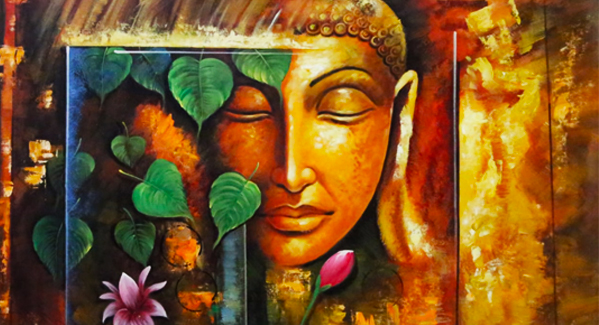
Hotel wall artwork includes movable paintings, canvas prints and framed pieces, alongside murals that artists paint directly onto walls. A hotel wall painting can establish a focal point, introduce regional imagery or connect different elements of an interior through colour and composition.
Original Paintings, Handmade Work and Canvas Prints
An artist creates an original painting by developing a composition and applying paint directly to its support. Handmade artwork involves manual work, but that description does not automatically establish originality. For example, someone might hand-paint a reproduction or add texture to an existing print.
Canvas describes a support material rather than a production method. Therefore, a hotel canvas wall painting may contain original paintwork, printed imagery, or a combination of techniques. Ask how the supplier produces the piece instead of assuming that canvas guarantees an original artwork.
Stretched Pieces, External Frames and Murals
Stretched canvas holds fabric under tension across a supporting structure, commonly a wooden stretcher. An external frame surrounds the piece and changes its overall dimensions, weight,t and appearance.
In contrast, a mural forms part of its wall location and does not offer the same straightforward relocation options. Movable hotel wall paintings usually allow greater flexibility during room changes, although their construction and size still influence handling and storage requirements.
How Can Artwork Support a Hotel’s Interior Identity?
Artwork supports interior identity when its subject, scale, and presentation relate to the property’s architecture and setting. A collection of hotel wall art can establish visual continuity without making every room look identical.
Connect First Impressions with the Wider Property
Identify the materials, colours and forms that already define the hotel. For example, carved timber, stone flooring and woven fabrics suggest different possibilities from polished metal, large glazing panels and sharply geometric furniture.
Use a few consistent characteristics across the collection, such as related colours, frame finishes or artistic techniques. Meanwhile, let individual spaces vary in subject and intensity so the visual sequence remains interesting rather than repetitive.
Reflect Location Without Relying on Clichés
Regional vegetation, street patterns, agricultural landscapes and building details can offer relevant subjects. However, local character does not require a landmark photograph on every wall or a literal illustration of the destination.
Consider how the artwork supports the intended welcome and atmosphere. These choices remain aesthetic decisions; they do not guarantee higher occupancy, better reviews, increased revenue,e or measurable wellbeing benefits. Also consider the range of guests who will encounter the collection, particularly in shared spaces.
Which Styles Suit Different Hotel Concepts?
Suitable styles depend on the property’s design, location, audience,ce and furnishings. Hotel categories provide context, but they do not dictate one correct artistic approach for every room.
Modern, Abstract and Minimalist Directions
A modern hotel wall painting might use simplified forms, expressive brushwork or architectural references. Assess whether its movement and contrast complement the room, especially where lighting fixtures and patterned fabrics already attract attention.
An abstract hotel wall painting can echo an interior palette without depicting a recognisable subject. However, abstraction ranges from restrained compositions to dense, energetic imagery, so evaluate the actual piece rather than the category alone.
Minimalist work can provide visual breathing room in a detailed interior. Conversely, a very sparse composition may appear insignificant on an expansive wall unless its size and placement give it sufficient presence.
Luxury, Boutique and Heritage Settings
A luxury hotel wall painting does not need metallic accents or elaborate framing. Considered materials, artistic execution, and a convincing relationship with the architecture can create a more appropriate impression than decoration chosen solely for extravagance.
A boutique hotel wall painting may interpret a local story through distinctive imagery or an unusual composition. Also consider whether adjacent pieces develop that identity coherently rather than competing to appear different.
Heritage-inspired work can draw on historic materials, architectural details or regional craft traditions. However, check the context of culturally specific imagery and avoid presenting decorative reproductions as historic originals.
Business and Leisure Properties
Business hotels can use landscapes, nature studies or geometric work alongside contemporary furnishings. Leisure hotels may favour imagery connected to the destination, although neither setting requires a rigid formula.
For example, a restrained botanical composition might suit both a city bedroom and a coastal lounge. The surrounding palette, viewing distance and furniture determine its suitability more reliably than the hotel label alone.
How Should Artwork Differ Across Hotel Spaces?
Artwork should match each space’s function, viewing positions and level of activity. Public areas can accommodate strong focal pieces, while private rooms often need a more measured relationship with furniture, lighting and limited wall space.
Entrance Lobbies and Reception Areas
A hotel lobby wall painting can organise attention around a seating group or prominent architectural feature. Check the view from the entrance and across the lobby, because fine details may disappear at longer distances.
A hotel reception wall painting should complement the desk without competing with signage, screens or staff activity. Also assess sightlines from waiting seats and confirm that decorative objects will not obscure the composition after installation.
Guest Rooms and Bedrooms
A hotel room wall painting should relate to the room’s furnishings and the views guests encounter from the doorway, desk and seating. Consider whether one well-proportioned piece would work better than several small additions around existing fittings.
For a hotel bedroom wall painting, assess the headboard, bedside lights, curtains and surrounding wall space together. Quieter compositions may suit the intended design, but avoid presenting that preference as a promise of better sleep.
Restaurants and Dining Spaces
A hotel restaurant wall painting needs a location that balances visibility with practical exposure. Walls beside serving stations or tables may encounter food splashes, grease, or frequent cleaning, so check whether another position offers more suitable display conditions.
Coordinate imagery with the dining concept without repeating obvious food motifs throughout the room. Also review the work under evening lighting, when guests may experience the space differently from its daytime appearance.
Corridors, Lift Lobbies and Lounges
A hotel corridor wall painting should fit the passage width and allow unobstructed guest and housekeeping movement. Use repetition through colour or framing, while varying images enough to avoid a mechanical sequence.
Lift lobbies need clear separation between artwork, controls and directional signage. In contrast, lounges can accommodate detailed pieces near seating, where guests have time to view them closely. Check furniture clearance before choosing projecting frames or grouped arrangements.
Where the hotel rearranges shared rooms for events, review the artwork against alternative furniture layouts. A suitable lounge position may become vulnerable when staff add buffet tables or move chairs. Therefore, include likely operating arrangements in the placement review, and identify any pieces that the team must temporarily relocate before changing the room configuration.
How Do Buyers Choose Dimensions and Layouts?
Choose dimensions by measuring the usable wall, nearby furniture, and available viewing distance together. A large hotel wall painting needs a clear relationship with the room rather than simply occupying the biggest available surface.
Measure the Complete Arrangement
Record wall width and height, then mark lights, switches, controls, doors,s and other fixed elements. Also distinguish the image dimensions from the canvas dimensions and the complete framed size, because listings may describe these differently.
For example, a 120-centimetre-wide piece above a 180-centimetre console offers one possible starting point for a mock-up. Treat this proportion as a planning example, not a universal standard; ceiling height and neighbouring objects may support another arrangement.
Create a scaled elevation or paper outline before ordering. Then assess it from seated and standing positions, including the normal approach to the room.
Choose Single Pieces or Coordinated Groups
Different arrangements create different visual effects:
- Choose one statement piece where the room already establishes a clear centre.
- Use a pair to connect related subjects or balance repeated furniture elements.
- Select a triptych when a composition benefits from movement across separate panels.
- Group smaller works where guests can pause without obstructing circulation.
However, include spaces between pieces when calculating the total width. Confirm orientation and frame depth, and check delivery access for bulky works before approving the final layout.
How Should Colours, Themes and Lighting Work Together?
Colours and themes should relate to the complete interior, including wall finishes, upholstery, flooring, curtains and furniture. Lighting then influences how guests see that relationship at different times of day.
Create Continuity Without Exact Matching
Repeat one or two existing colours while allowing the artwork to introduce a considered accent. For example, muted rust may connect warm timber with a predominantly blue composition without requiring identical shades across every accessory.
If the room already contains patterned textiles or decorative stone, consider work with fewer competing elements. Conversely, a quiet interior may accommodate stronger contrast, provided the artwork does not overwhelm nearby furnishings.
Assess Samples Under Actual Conditions
Review physical samples beside the intended finishes whenever practical. Screens can alter colour appearance, while textured paint, coatings and glazing may reflect light differently from a digital preview.
Also test daylight and the hotel’s normal evening lighting. Adjust picture lights or nearby lamps if glare obscures the image, and check reflections from the usual guest viewing positions. Approve the lighting arrangement alongside the artwork rather than treating illumination as a final decorative addition.
What Should Buyers Check About Materials and Framing?
Check the complete construction, because canvas, paint or ink, surface finish, sh and display conditions influence durability together. Descriptive marketing labels alone do not demonstrate material quality or performance.
Canvas, Image Quality and Supporting Structure
Request specifications and close-up photographs covering these points:
- Canvas composition, texture and suitability for the intended production process.
- Paint or ink details and the specified surface finish.
- Print clarity at the proposed output dimensions.
- Canvas tension, edge finishing and reverse-side condition.
- Stretcher alignment, corner construction and support for larger formats.
Also ask whether visible texture comes from actual paint, an applied medium, or printed effects. Avoid assuming that heavier canvas or a glossy surface automatically represents a better product.
Frames, Glazing and Mounting Hardware
A framed hotel wall painting should suit the interior and the expected handling conditions. Inspect frame joints, finish, overall weight and the stability of supplied hanging fittings before approving a sample.
Where glazing forms part of the design, assess its weight, reflections and compatibility with the artwork. Ask the framer how the assembly supports and separates the components appropriately, particularly for textured or fragile surfaces.
Do not assume that ordinary artwork is archival, sustainable, waterproof, fire-resistant, fade-proof or maintenance-free. Therefore, request relevant product-specific evidence where the project requires a particular performance characteristic, and confirm the proposed mounting approach with the installation team.
When Should Hotels Choose Custom or Handmade Artwork?
Custom work makes sense when standard products cannot meet the intended dimensions, palette, or subject. A custom hotel wall painting can also connect several areas through a collection that responds to the property’s particular setting.
Prepare a Clear Commission Brief
Provide room photographs, wall measurements, colour references and the intended viewing positions. Also specify local themes, original concepts or visual references that should shape the work.
Agree these details before production starts:
- Technique, final dimensions, quantities and frame requirements.
- Concept previews, material samples and approval responsibilities.
- Included revisions and arrangements for additional changes.
- Production schedule, packaging and delivery sequence.
- Acceptable differences between individual pieces or production batches.
A digital preview can communicate composition, but it cannot fully represent physical brushwork. Therefore, request a painted study or representative sample when texture and colour matching determine the decision.
Confirm Handwork and Reproduction Permissions
A handmade hotel wall painting may suit a prominent space where individual execution forms part of the design intent. However, clarify whether the work involves an original composition, a reproduction or painted additions to a print.
Confirm permission to reproduce supplied photographs, illustrations or existing artwork. Also agree whether the hotel may use images of the commission in printed or digital promotion. Record the intended uses and responsibilities in writing, and seek specific advice if the ownership or reproduction arrangements remain unclear.
What Determines the Budget and Procurement Plan?
The budget depends on the complete specification and delivery scope. Compare the total delivered and installed cost rather than treating the listed artwork price as the entire project commitment.
Compare Like-for-Like Proposals
Size influences material use, support requirements and transport. Technique, artist involvement, custom development and frame construction also affect cost, while order quantity may change production arrangements without guaranteeing a discount.
Ask for itemised quotations covering artwork, framing, packaging, delivery, applicable taxes and installation. Also confirm whether samples, revisions or special handling carry separate charges so the procurement team can compare equivalent offers.
Plan Sample Rooms, Replacements and Refurbishment
Approve a representative sample room before releasing a large accommodation order. Check the artwork with the actual furniture and lighting, because a piece that works on a presentation board may need adjustment in the finished space.
Align phased deliveries with completed rooms and planned refurbishment access. Retain image references, dimensions,s and finish records, and ask about replacement availability for repeat prints. For originals, agree how future replacements could fit the collection rather than expecting identical work later.
Create a room allocation schedule that records each piece’s image, dimensions, frame finish and approved position. Label deliveries by room or zone, then reconcile the contents before installation starts. Also nominate one person to approve substitutions, because an apparently minor frame change can disrupt continuity across neighbouring rooms or an entire corridor.
What Should Buyers Check Before Ordering Online in India?
Buyers should verify the product, delivery arrangements, ts and purchase conditions before payment. Teams that want to buy hotel wall painting online in India should confirm delivery coverage for the property’s postcode and any access restrictions.
Check Descriptions, Photographs and Purchase Terms
Confirm the product type, complete dimensions, and frame inclusion. Also ask what ready-to-hang includes, because supplied fittings may not suit the hotel’s actual wall construction.
Request close-ups of surfaces, edges, corners and reverse construction. Establish whether the room image shows the actual product or a digital mock-up, and use physical samples when screen-related colour variation would affect approval.
Check invoice details, packaging arrangements, damage-reporting deadlines and required evidence. Customised orders may carry different return or cancellation conditions from standard products, so obtain written confirmation before authorising production or quantities.
Arrange a clean receiving area, photograph any transit damage promptly, and retain protective packaging until the team completes inspection and confirms whether it needs to report problems.
A Practical Purchasing Checklist
Before placing the order, confirm these essentials:
- Match product type and technique to the approved brief.
- Verify external dimensions, orientation, weight and complete quantities.
- Approve materials, frame finishes and representative samples.
- Record customisation details and reproduction permissions.
- Confirm packaging, delivery coverage and receiving responsibilities.
- Review return conditions, damage procedures, installation and care instructions.
How Should Hotels Install and Maintain Artwork?
Hotels should match installation and care to each piece’s weight, materials and display location. Housekeeping teams also need clear instructions so routine cleaning does not conflict with the artwork’s requirements.
Choose Secure Locations and Suitable Fixings
Ask an installer to assess the wall substrate and select appropriate fixing systems. Check clearance around furniture, door swings and circulation routes, and consider where guests or housekeeping trolleys might contact the frame.
Keep ordinary indoor artwork away from direct sunlight, damp surfaces and likely leaks. Also assess nearby air-conditioning vents for concentrated airflow, dust deposition or condensation. Do not assume that standard pieces suit bathrooms, exposed terraces or other damp locations without supporting specifications.
Coordinate Cleaning and Periodic Inspections
Follow the artist’s or supplier’s instructions for the actual paint, ink, support and finish. Use gentle dry dusting only where those instructions permit it; water, sprays and chemical cleaners do not suit every surface.
Include frames, fixings, canvas tension and visible moisture or surface changes in periodic inspections. If staff notice mould or damage, stop routine cleaning and seek appropriate advice. Valuable or fragile originals may require specialist care, so identify that requirement before adding them to ordinary housekeeping schedules.
Which Purchasing and Styling Mistakes Should Buyers Avoid?
Avoid choosing images before checking the room and product specifications. Incorrect measurements, undersized pieces and crowded arrangements often result from treating artwork as an isolated purchase rather than part of the interior.
Excessive repetition can make corridors feel mechanical, while unrelated themes can fragment the property’s visual character. Also check for unsuitable materials, unclear descriptions, and placement that conflicts with furniture, signage, or guest movement.
A clear brief, verified specifications and representative samples help resolve these problems before ordering. Schedule installation alongside room completion rather than rushing approvals to fill walls immediately before opening.
Conclusion
Choose hotel artwork by matching its subject, scale, and presentation to the property and each intended location. Verify materials, complete dimensions, framing and purchase conditions before committing to quantities. Samples and planned installation also help coordinate the finished interior. With practical housekeeping instructions and appropriate care, the collection can remain a coherent part of the hotel’s design through everyday operation and future refurbishment.
FAQs
How do original paintings differ from canvas prints?
Original paintings involve an artist’s original composition and direct painting work. Canvas prints reproduce imagery through a printing process, even when the subject resembles brushwork. However, either format may suit a hotel project. Confirm the actual technique, materials and finish before comparing presentation, cost, replacement options and ongoing care requirements.
How can buyers choose an appropriate artwork size?
Measure the usable wall, nearby furniture, and clearance around fittings before choosing dimensions. Then mark the complete framed outline with a paper template or scaled layout. Also include gaps for grouped works. Assess the result from normal guest viewing positions rather than copying proportions from an unrelated product photograph.
What kind of artwork works well in a hotel lobby?
Choose a composition that remains readable from the principal approach and relates to the lobby’s architecture, seating and lighting. Broad forms may work better than intricate details at longer distances. However, assess the actual wall and sightlines before selecting size, and keep the artwork separate from essential signage and controls.
Which paintings suit guest rooms and bedrooms?
Choose imagery that complements the room’s palette and the views from the entrance, bed,d and seating area. Restrained compositions may suit an already detailed interior, while a simpler room can accommodate stronger contrast. Also check nearby lighting and secure mounting. No single subject guarantees better sleep or a preferred guest response.
Does canvas artwork always need an external frame?
An external frame is optional when a stretched canvas has suitable finished edges and fits the intended presentation. However, framing changes overall dimensions, weight, ht and visual presence. Assess construction and mounting alongside appearance, and check whether the quoted price includes an external frame or only the internal supporting stretcher.
What should hotels include in a custom artwork brief?
Include wall measurements, room photographs, colour references, subject, technique, quantity and framing requirements. Also agree preview stages, revision allowances, delivery sequencing and acceptable variations between pieces. Confirm permission to reproduce supplied imagery and record any intended promotional use of the finished work before the artist or production team begins.
Where should restaurants display artwork safely?
Choose walls that offer clear views while limiting exposure to food splashes, grease, guest contact, and frequent cleaning. Avoid assuming that a decorative coating makes any canvas suitable beside serving areas. Also assess the piece under normal dining lighting and follow its material-specific care instructions when planning the display location.
Can hotels display ordinary artwork in humid areas?
Ordinary indoor artwork does not automatically tolerate damp conditions. Assess the actual materials, finish, support, and installation location before selecting pieces for humid spaces. Also check for condensation, leaks, and nearby airflow. Bathrooms and exposed terraces may require a different product or display approach, supported by relevant specifications for that use.
What should procurement teams verify before ordering online?
Confirm product type, external dimensions, frame inclusion, close-up appearance and delivery coverage. Also review invoices, protective packaging, damage-reporting deadlines and return conditions. Custom orders may follow different cancellation rules, so obtain written specifications and approvals. For larger purchases, assess a representative sample before authorising the full quantity across hotel rooms.
How should housekeeping teams maintain paintings and prints?
Housekeeping teams should follow the artist’s or supplier’s instructions for each artwork’s materials and finish. Avoid assuming that one cleaning method suits the entire collection. Also inspect fixings, frames and visible surface changes periodically. Report moisture or damage promptly, and arrange appropriate specialist care for valuable or fragile original paintings.
