

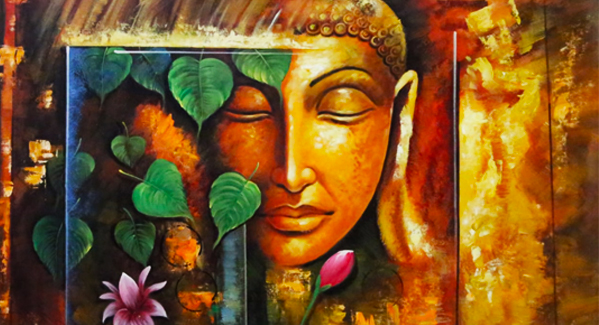
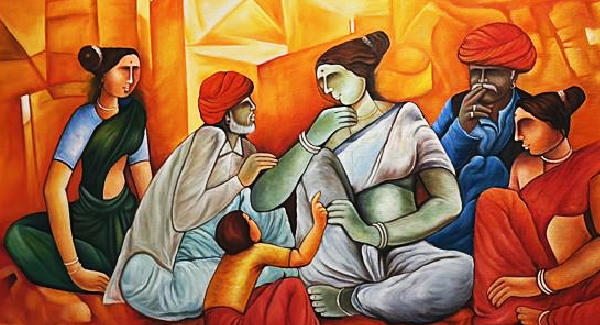
A flute-playing figure, a playful childhood scene and a detailed pastoral composition make different demands on a wall. Selecting Krishna artwork begins with the representation a household values, followed by the scale needed to see faces, gestures and accompanying details clearly. Artistic style, canvas construction and framing then shape the finished appearance. Before purchasing online, buyers should also confirm whether the image shows an original painting, an embellished reproduction or a print, and what arrives ready for display.
Choosing the Representation Before the Finish
Krishna imagery draws on different life stages, devotional relationships and narratives. These choices affect the painting’s emotional character and composition more directly than its frame colour or surface gloss.
Flute-Playing and Solitary Figures
The appeal of krishna flute paintings often rests on posture, musical gesture and the relationship between the face and hands. A standing figure may create a tall, flowing composition, while seated imagery can feel more compact. Dancing poses introduce stronger movement.
For narrow walls, a solitary figure may offer clarity without a crowded background. By comparison, cows, companions or surrounding foliage extend the scene horizontally. Buyers should inspect the flute and fingers closely because awkward drawing or excessive simplification can weaken the central gesture.
Bal Krishna and Childhood Scenes
In bal krishna canvas paintings, artists may show seated, crawling, playful or butter-related imagery. Some compositions include Yashoda, shifting attention towards their relationship. Softer expressions and brighter colours often support an intimate presentation, although artistic approaches vary.
Compact childhood scenes can suit family spaces, pooja areas or children’s rooms where the household welcomes sacred imagery. However, selection should follow the represented narrative and family preference, without attaching promises about fertility, child welfare or happiness.
Radha and Krishna Together
Paired radha krishna canvas paintings organise attention around two figures, their gestures and their shared setting. Colour relationships can distinguish their garments while connecting the composition through flowers, ornaments or landscape details.
Many devotional interpretations associate the pair with divine love. That context deserves respect beyond ordinary romantic decoration. Where both faces carry fine detail, buyers should allow sufficient size and viewing access rather than reducing an elaborate composition to a cramped format.
The relationship between Radha and Krishna also depends on their placement within the frame. A close composition can concentrate attention on expression, while a wider setting gives gestures and landscape more influence. Before selecting a smaller reproduction, buyers should check whether jewellery, veils and floral details still separate clearly from the intended seating position. Otherwise, a richly worked image may lose the distinctions that originally made the pair visually engaging.
Pastoral Narratives
Cows, calves, trees and water can create depth around Krishna. Vrindavan-inspired scenery and references to the Yamuna may establish a recognisable devotional landscape, while temple architecture or companions introduce further narrative detail.
Because several elements share the canvas, pastoral scenes often need more width than a simple portrait. A buyer should check whether Krishna remains visually prominent among the animals, foliage and architecture, especially at the intended viewing distance.
Interpreting Symbols Without Imposing Fixed Rules
A lord krishna canvas painting may communicate devotion, joy, compassion or wisdom through expression and setting. Other narratives may foreground protection or dharma, which broadly refers to right conduct and duty. These associations describe religious and cultural meanings, not effects that ownership establishes.
Peacock feathers, crowns, ornaments, lotuses and floral or celestial backgrounds appear in varied combinations. Similarly, artists use different skin colours, clothing and accompanying figures. A blue figure may look familiar, but colour alone cannot establish the appropriateness of an image.
Vaishnava traditions, regional painting practices and household preferences do not share one fixed visual formula. Consequently, buyers should examine the particular representation they intend to display. An image need not contain every familiar attribute to communicate its subject respectfully.
Finding an Artistic Language That Suits the Space
Style influences recognisability, visual density and the distance from which detail remains effective. Buyers can assess these qualities without ranking one approach as spiritually superior.
Fine outlines, ornamental borders and carefully arranged figures often characterise traditional lord krishna paintings. Miniature-painting influences may introduce densely worked foliage and textiles, while temple-inspired imagery can emphasise devotional presence and architectural framing.
By comparison, modern lord krishna paintings may use enlarged facial features, simplified garments or broad background colour. Realistic figurative work concentrates on convincing form and expression, whereas minimalist imagery may rely on a few distinctive attributes.
With abstract krishna paintings, colour, rhythm and suggested outlines can carry the composition. Buyers seeking recognisable iconography should inspect the face, flute and other identifying features. Departure from realism does not itself imply disrespect.
Palette-knife texture produces raised marks that respond to angled light. Meanwhile, monochrome work relies on tonal contrast, and metallic accents change with reflection. Multi-panel designs create wider arrangements but need careful spacing, particularly when gaps divide a face, flute or paired figures.
Examining the Image Before Judging the Materials
Craftsmanship begins with the composition itself. A technically sound canvas can still carry unclear expressions, awkward gestures or distracting proportions.
Buyers should inspect the eyes, mouth, hands and relationship between the head and body. In a paired scene, both figures deserve equal scrutiny; an appealing overall colour scheme can conceal weak facial detail in a small listing photograph.
- Gesture: The flute, fingers and arm positions should work together convincingly within the chosen style.
- Expression: Childhood, contemplative and narrative scenes need facial treatment consistent with their intended character.
- Visual hierarchy: Background architecture, cows and ornaments should support the central subject without overwhelming it.
- Cropping: A frame or wrapped edge should not unexpectedly conceal a peacock feather, hand or significant accompanying figure.
Stylisation can deliberately alter proportions. Therefore, the relevant question concerns coherence within the artwork, rather than whether every image follows realistic anatomy. Buyers should request closer views when uncertainty affects their appreciation of the subject.
Original Painting, Embellished Print or Reproduction
Production method determines what the buyer owns and partly explains price differences. Descriptions should distinguish manual painting from printed imagery and mixed production methods.
For handmade lord krishna paintings, buyers should confirm whether the artist painted the entire image manually. Variations in brushwork and colour can distinguish originals, but handmade status alone does not establish skilled execution or suitable materials.
Close photographs of hand-painted krishna canvas art may reveal layering, surface relief and individual marks. However, an embellished print can also carry raised paint. Written confirmation of the production method matters because texture cannot authenticate originality by itself.
A commissioned original follows an agreed brief, while a completed original already has its composition. Canvas reproductions repeat an existing image through printing; hand embellishment adds manual work over that base. Mass-produced prints can offer consistent decorative results when image quality, colour reproduction and construction support them.
Care also depends on the actual surface. Moreover, photographs cannot conclusively verify authorship, ink stability or every material claim. Available artist information and documentation provide context, but buyers should retain realistic expectations about online authentication.
How Oil and Acrylic Differ in Practice
Both media support detailed faces, expressive backgrounds and textured passages. Their working characteristics differ, but neither medium independently determines visual depth or preservation quality.
Artists producing lord krishna oil paintings can use slower drying behaviour to blend skin tones and adjust transitions gradually. Transparent layers may contribute depth to garments or backgrounds. However, recently completed oil work may need careful handling while the paint continues to cure.
By comparison, lord krishna acrylic paintings generally permit quicker layering. Artists can create sharp decorative edges, thin washes or substantial texture, depending on their technique. Acrylic finishes may appear matt or glossy, just as oil surfaces vary with treatment.
Pigments, binders, preparation and application influence the result alongside the medium. Therefore, buyers should compare the actual depiction of faces, fabric and landscape rather than assuming that one paint type produces richer colour.
Preservation also depends on primer, coatings, workmanship, framing, handling, humidity, heat and light. A specific care note should address the finished artwork, including any metallic decoration or unusual surface additions.
Checking the Canvas and Its Support
Some construction details appear in photographs; others require written specifications. Separating these checks prevents visible gloss or heavy texture from standing in for material information.
- Fabric and preparation: Canvas fibre and weave affect surface character. Buyers should ask about primer or gesso, the preparatory layer beneath the paint, and its suitability for the medium.
- Paint condition: Close views may reveal cracking, lifting or flaking. Claims about pigment stability and adhesion require material information beyond a photograph.
- Support: Stretcher bars should hold the canvas with appropriate tension. Sagging fabric, distorted corners or warped supports warrant clarification.
- Finishing: Edge treatment, coatings, frame joints, backing and hardware should suit the complete construction. Backing should protect without trapping moisture around the work.
Intentional texture differs from damage. Consequently, buyers should request an explanation when raised areas look unstable or edges appear loose. Rear and angled photographs can also show details that a frontal image conceals, including frame depth and attachment points.
Choosing a Display Format
The delivery format determines how much work remains before installation. A room photograph may show a frame that the selected purchase option does not include.
With framed lord krishna paintings, an external border adds dimension and visual emphasis. Ornate framing can complement a restrained portrait, but it may compete with elaborate crowns, jewellery and floral borders. Simple framing can give a detailed composition more visual space.
Stretched canvas already sits under tension across a supporting structure. An unframed stretched piece may display without a decorative frame when its edges and fittings suit that arrangement. Meanwhile, gallery wrapping carries canvas around the sides, making the side finish visible.
Rolled artwork generally requires proper stretching and may also need framing. Buyers should confirm adequate margins and include local finishing costs in the budget. Transport and handling also change with the format.
Before ordering, the buyer should distinguish the visible image size from external dimensions. A frame that seems modest in isolation may prevent the completed piece from fitting a narrow partition or devotional alcove.
Measuring for the Composition and the Room
A useful size assessment combines wall measurements with furniture width, ceiling height and normal viewing distance. Empty space around the painting helps the subject remain distinct from nearby objects.
For large lord krishna canvas paintings, buyers should also check delivery access and installation weight. Broad pastoral scenery may suit a substantial wall, while a narrow partition can favour an upright figure. Detailed paired imagery needs enough scale for both expressions to remain visible.
Paper templates can show the proposed outline above a sofa or console. However, a template cannot reveal whether fine details survive at that size, so a clear product image remains necessary.
- Portrait orientation can support standing figures and vertical movement.
- Landscape orientation gives pastoral settings and companions more room.
- Square or circular formats can centre a face or compact scene, provided cropping respects significant details.
- Multiple panels require measurements for the full arrangement, including gaps.
Alcoves may cast shadows across the image, while stair landings create changing sightlines. Existing artwork, switches and architectural features also constrain placement. Flexible visual proportion offers a starting point; no single sizing formula suits every room or composition.
Coordinating Colour and Illumination
The palette should work with wall paint, upholstery, curtains, flooring and nearby devotional objects. Coordination need not mean repeating every colour in the room.
Blue and gold can create a strong focal relationship, while yellow and orange introduce warmth. Cream and beige backgrounds may give decorated garments breathing space. Meanwhile, green pastoral palettes can connect with natural wood, and jewel tones may need quieter surrounding fabrics.
Monochrome imagery depends on contrast with the wall. Vivid multicolour scenes can remain prominent without overwhelming the room if nearby accessories stay restrained. Metal accents may echo painted gold, although identical finishes are unnecessary.
Light changes these relationships. Angled illumination reveals texture, but glare on varnish or metallic details can obscure faces. Buyers should assess the wall from normal seating under both natural and artificial light.
Direct sunlight introduces UV exposure and intense illumination that can contribute to deterioration. Moreover, concentrated spotlights, heat-producing fixtures, humid walls and air-conditioning vents create challenging conditions. Kitchens add cooking residue; bathrooms and damp locations expose artwork to moisture. A stable, dry position with moderate illumination generally supports easier care.
Adapting the Selection to Daily Use
Room function shapes viewing distance, privacy and exposure to activity. Household preferences determine the devotional emphasis, while practical conditions influence the painting’s protection.
Living Rooms and Entrances
When assessing lord krishna paintings for living room displays, buyers should consider the relationship with sofas, consoles and existing focal points. Central alignment can create order, while a deliberate asymmetrical arrangement may suit a mixed display.
Clearance from furniture and passing movement matters alongside colour. Moreover, nearby windows can reflect across the central figure. Entrances and foyers need protection from opening doors, while corridors favour images that read clearly at shorter distances.
Pooja and Meditation Areas
For lord krishna paintings for pooja room settings, the wall must accommodate idols, flowers, lamps and ritual objects without crowding. A clear face and recognisable representation may matter more than elaborate scenery.
Flames, incense, oil and splashes require reasonable separation from canvas. Similarly, cleaning access helps prevent deposits from accumulating unnoticed. Meditation areas may favour quieter compositions, while dedicated devotional walls need spacing that preserves each image’s clarity. Canvas artwork should complement household practice without assuming a replacement role for ritual objects.
Private Rooms and Shared Workplaces
Bedroom placement depends on household comfort and privacy. Bal Krishna imagery may suit children’s rooms where the family welcomes it, with secure installation away from frequent contact. Offices and receptions require sensitivity to shared use. Vastu preferences reflect variable beliefs rather than scientific facts or universal rules about direction and height.
Verifying an Online Purchase
Those planning to buy lord krishna canvas painting online in India should establish what the selected option includes. Digitally staged rooms can distort scale, texture, colour and frame depth.
Collections labelled “lord krishna paintings online India” still need clear descriptions for individual works. Buyers should check actual product photographs rather than assume that every image in a collection shares the same materials or finish.
- Identity: Original, print, reproduction or embellished status establishes the production method. Canvas material, paint medium and available artist information clarify the description.
- Dimensions: Orientation, frame-inclusive measurements, frame material, finish, edges and stretched or rolled delivery determine fit and additional work.
- Evidence: Close photographs should reveal texture, faces and edge finishing. Colour notices should acknowledge screen variation without concealing substantial differences.
- Installation: Weight and ready-to-hang hardware affect mounting requirements. The description should specify included accessories.
- Fulfilment: Packaging, dispatch, delivery, returns, exchanges and damage-reporting procedures establish what happens if the order arrives late, unsuitable or damaged.
Before shoppers buy krishna wall art online, they should save the specifications and written clarifications. Custom-order restrictions deserve particular attention because cancellation or return eligibility may differ from standard purchases.
Comparing Cost and Arranging Custom Work
Like-for-like comparison requires more than matching the subject. Dimensions, number of figures, detail, originality and artistic complexity can change the labour and materials involved.
When comparing affordable lord krishna paintings online, buyers should include framing, packaging and shipping in the total. Medium, canvas quality, texture and attribution may also influence price. A lower displayed amount may cover a smaller print or exclude finishing that another option includes.
For customised lord krishna canvas paintings, possible adjustments include dimensions, orientation, background, palette, framing and texture. Buyers may also discuss the specific representation, accompanying figures, secondary motifs or culturally suitable inscriptions.
However, each commission needs an agreed scope. Artistic interpretation, revision limits, approval stages and production timing should appear in writing. Reference-image permissions matter, and screen previews cannot reproduce every colour or surface effect. Cancellation and return conditions should remain clear before painting begins.
Gifting, Receiving and Preserving the Work
A gift should reflect the recipient’s preferred representation, beliefs, taste and available space. Housewarmings, weddings, anniversaries, religious occasions, birthdays, office openings and personal milestones offer different contexts; naming ceremonies require sensitivity to family custom. Framing and delivery timing also matter.
Inspection and Installation
After delivery, buyers should inspect the package, canvas, painted surface, frame, edges and corners. Photographs of transit damage and retained packaging can support prompt reporting through the stated procedure.
Installers should confirm weight and wall material before choosing suitable hardware and secure fixing points. They should then check alignment and clearance from heat, moisture, smoke and sunlight. Large or heavy pieces may need professional installation.
Cleaning and Storage
Gentle dust removal should follow instructions for the actual surface. A soft, clean brush may suit stable paint, but raised texture, flaking or uncertain finishes need specialist assessment. Abrasive cloths, harsh cleaners and excessive water can damage coatings and paint.
Periodic checks should look for fading, mould, sagging, cracks, frame movement and insect damage. During relocation, packing should prevent pressure against the painted face. Dry, stable storage and qualified conservation support for valuable or damaged originals help avoid further harm.
Choosing with Care
A suitable Krishna painting combines respectful representation, clear composition and construction appropriate to its intended setting. The purchase should also provide precise information about medium, dimensions, framing, delivery format and terms. Before committing, the buyer should compare the actual artwork with the measured wall and confirm that its faces, gestures and narrative details remain legible from the usual viewing position.
FAQs
Can Krishna artwork hang in a living room?
Krishna artwork can hang in a living room when the arrangement suits household preferences and the available wall. Buyers should consider furniture scale, visibility from seating and surrounding decorative objects. Moreover, glare from windows or lamps should not obscure the central figure, and secure installation should account for the artwork’s weight.
Is canvas appropriate for a pooja room?
Canvas can suit a pooja room if its position protects it from flames, smoke, oil and moisture. The image should fit alongside existing devotional objects without crowding worship activities. However, household traditions vary, so selection should reflect family preferences as well as practical clearance and access for routine inspection and cleaning.
Which Krishna representation suits a quieter space?
A solitary figure or restrained flute-playing composition may suit a quieter space because fewer surrounding elements compete for attention. However, artistic treatment matters as much as subject choice. Muted colours, clear facial detail and sufficient empty space can support a calm visual character without establishing any particular emotional or spiritual outcome.
How should buyers size a pastoral composition?
Buyers should size a pastoral composition so that Krishna and the important surrounding figures remain legible from the usual viewing position. Wall dimensions and furniture provide practical boundaries. Additionally, detailed landscapes need careful checking at the intended scale, since a small reproduction may compress faces, animals and architectural features beyond clarity.
Does unframed artwork arrive ready for installation?
Unframed artwork does not necessarily arrive ready for installation because the description may refer to stretched or rolled canvas. A stretched piece may include fittings, while rolled work generally requires professional stretching. Therefore, buyers should verify the support, edge treatment and included hardware before calculating finishing costs or arranging the display.
How can buyers distinguish an original from a print?
Buyers should request a written production description and photographs of the actual surface to distinguish an original from a print. Texture alone cannot settle the question because embellished reproductions may carry paint. Moreover, available documentation can support assessment, although photographs and product descriptions cannot independently authenticate authorship or every material claim.
Is oil paint more suitable than acrylic?
Oil paint is not inherently more suitable than acrylic for Krishna artwork. Both media support fine detail, layering and expressive texture, while their drying behaviour and handling requirements differ. Instead, buyers should assess the actual execution, preparation and finish, then follow care instructions that reflect the materials within the chosen painting.
What online details should a buyer check first?
A buyer should first confirm the production method, dimensions, medium, frame status and delivery format. These details determine what arrives and whether it fits the intended space. Furthermore, close photographs, included hardware, packaging and return terms deserve attention. Custom orders also need written clarity about approvals, revisions and cancellation or damage procedures.
How should owners care for textured paint?
Owners should follow surface-specific instructions and avoid rubbing raised paint or delicate decoration. Gentle dust removal may suit stable areas, but lifting paint, mould or loose embellishment needs specialist attention. Meanwhile, harsh cleaners and excessive water can damage finishes. Valuable originals warrant qualified conservation advice before any uncertain cleaning or repair.
What matters when commissioning artwork as a gift?
The recipient’s preferred representation, beliefs and available space should shape a commissioned gift. Dimensions, palette and framing need agreement before production, alongside revision limits and delivery timing. Moreover, the giver should confirm comfort with sacred imagery and check cancellation or return restrictions, since personalised work may offer fewer options after completion.
