
Canvas artwork can strengthen a restaurant’s visual character when it complements the cuisine, service style, architecture, and intended atmosphere. However, an attractive image alone does not make a suitable commercial purchase. Buyers must assess dimensions, colours, materials, printing quality, cleaning demands, installation safety, seller policies, and long-term durability.
The most effective selection feels connected to the premises without distracting diners, obstructing operations, or making unsupported commercial promises. This resource explains how to compare artwork systematically across restaurants, cafés, bakeries, lounges, food courts, and other hospitality settings.
What Are Restaurant Canvas Paintings?
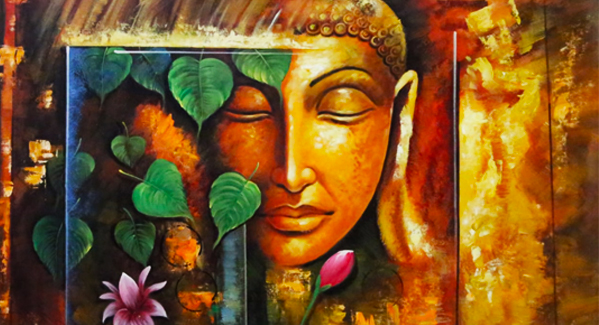
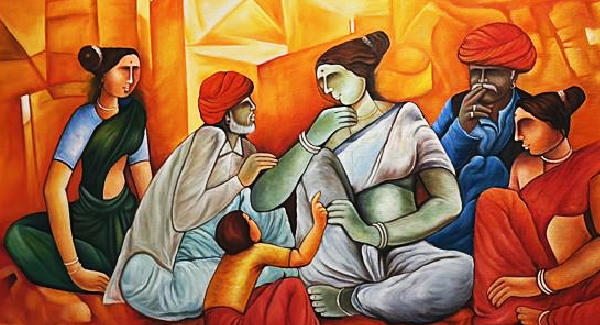
Restaurant canvas paintings are painted or printed artworks displayed on stretched, framed, or rolled canvas in food-service interiors. They may depict food, landscapes, people, abstract forms, local culture, typography, or historical themes. Their purpose is to support visual identity, complement the interior, and make customer-facing walls appear intentional and coherent.
Unlike domestic artwork, commercial canvas décor must withstand frequent cleaning, changing light, extended opening hours, customer movement, and occasional exposure to humidity. Therefore, buyers should judge both appearance and construction.
Well-selected canvas paintings for restaurant walls can connect separate decorative elements, such as furniture, lighting, menus, flooring, and architectural finishes. Nevertheless, artwork does not independently increase revenue, ratings, appetite, or customer loyalty. Commercial results depend on food quality, service, location, pricing, hygiene, convenience, marketing, and many other factors.
How Does Artwork Support Restaurant Identity?
Artwork supports restaurant identity by translating the concept into visible colours, subjects, textures, and moods. A coastal seafood restaurant may use restrained marine imagery, while a regional dining room may feature culturally appropriate landscapes, ingredients, architecture, or craft-inspired patterns.
Consistency matters because customers encounter the space as a whole. If the logo, menu, furnishings, lighting, and artwork communicate unrelated ideas, the interior may appear improvised. In contrast, repeated colours, forms, and materials can create visual continuity.
Before selecting a style, define:
- The cuisine and culinary influences
- The service format and average visit type
- The intended price positioning
- The primary customer groups
- The desired atmosphere
- Existing brand colours and typography
- Permanent architectural features
- Lighting conditions during operating hours
- Wall dimensions and viewing distances
- Practical cleaning and maintenance constraints
Buyers reviewing restaurant wall décor online in India should begin with these factors instead of selecting isolated images that look appealing on a screen.
Concept, Cuisine, and Audience
Artwork should relate to the restaurant concept without making the theme feel exaggerated. For instance, an Italian-inspired dining room does not require every wall to display pasta, tomatoes, or famous monuments. One carefully selected culinary print may communicate the connection more effectively than repeated literal imagery.
Similarly, a family restaurant benefits from accessible, welcoming subjects that suit varied age groups. A bar or lounge may carry deeper colours and more dramatic abstraction, while a bakery often suits warm illustrations, ingredient studies, or understated nostalgic imagery.
Customer expectations also differ by price positioning. Luxury restaurant canvas paintings commonly use controlled palettes, refined compositions, generous negative space, and high-quality framing. However, expense alone does not create sophistication. Accurate printing, proportion, restraint, and compatibility with surrounding materials matter more than decorative labels.
Which Artwork Styles Suit Different Concepts?
The best style reflects the venue’s identity, physical setting, audience, and maintenance conditions. Buyers should compare modern, abstract, culinary, vintage, colourful, and customised designs according to these criteria rather than following a short-lived visual trend.
Modern and Minimal Artwork
Modern restaurant canvas paintings often feature clean geometry, simplified illustrations, neutral backgrounds, bold lines, or limited colour palettes. They work particularly well in contemporary cafés, quick-service outlets, urban dining rooms, and spaces with uncluttered furniture.
Minimal artwork needs accurate printing because uneven lines, muddy colours, or poor alignment remain visible. Moreover, a sparse image can appear lost on a large wall if its dimensions are too small. Buyers should therefore test the proposed scale by marking the outline with removable tape.
Modern pieces need not feel cold. Warm neutrals, organic shapes, subtle textures, and carefully chosen accent colours can soften hard surfaces such as metal, concrete, tile, and glass.
Abstract Compositions
Abstract canvas paintings for restaurants can complement spaces where literal food imagery would feel predictable. Shapes, brushwork, colour fields, and layered textures create visual interest without tying the room to one subject.
Select abstraction according to pace and atmosphere. Energetic lines and vivid contrast may suit a lively casual venue, whereas softer forms and subdued tones can complement fine dining or private rooms. However, highly chaotic compositions may compete with patterned upholstery, decorative ceilings, or busy lighting.
Examine the artwork from the expected viewing distance. Fine details that look impressive in a close-up product photograph may disappear across a dining hall, while strong forms generally remain legible from farther away.
Food and Kitchen Imagery
Food-themed canvas paintings for restaurants can reinforce a cuisine concept when the images appear accurate, appetising, and relevant. Ingredient illustrations, still-life compositions, culinary tools, agricultural scenes, and tasteful dish photography offer different levels of literal connection.
Kitchen-themed canvas paintings may suit counters, bakery seating areas, demonstration zones, or corridors near customer-visible preparation spaces. Nevertheless, buyers should not install ordinary canvas inside working kitchens or near flames, steam, grease, hot equipment, water, chemicals, or exposed food.
Food presentation also deserves scrutiny. An inaccurate regional dish, unfamiliar ingredient combination, unrealistic colour, or misleading serving style can weaken credibility. Therefore, chefs or menu planners should review culinary imagery before procurement.
Vintage and Heritage Styles
Vintage restaurant wall art can support heritage eateries, bakeries, cafés, bars, and regional concepts. Suitable subjects include historical streets, old utensils, traditional markets, restrained typography, archival-style illustrations, or period-inspired patterns.
However, aged styling should still look intentional. Artificial stains, excessive distressing, copied advertisements, and unrelated foreign imagery can make a venue feel generic. Moreover, buyers must verify that historical photographs, posters, characters, and commercial marks can legally appear in the intended setting.
Cultural accuracy matters equally. Regional clothing, language, symbols, architecture, and food practices should receive respectful treatment. If an image could create religious, political, historical, or community concern, seek informed review before displaying it publicly.
Colourful and Playful Artwork
Colourful restaurant wall paintings can enliven family restaurants, dessert outlets, food courts, casual eateries, and youth-oriented cafés. Bold colour works best when it repeats selected tones from seating, menus, packaging, signage, or lighting.
Too many competing hues, however, can make a compact interior feel visually crowded. Choose one dominant colour family, one supporting family, and limited accents where possible. Additionally, inspect how colours appear under the venue’s actual lamps because warm lighting can intensify reds and yellows while changing whites.
A colourful image should remain clear when photographed, but social-media appearance should not outweigh comfort, circulation, safety, or brand relevance.
Customised Artwork
Customised canvas paintings for restaurants can incorporate commissioned illustrations, original food photography, location-specific scenes, approved typography, or a controlled brand palette. Customisation offers strong visual relevance, although it usually requires additional approval, production time, and restrictions on returns.
Before production, obtain a digital proof showing:
- Exact wording and spelling
- Image cropping and orientation
- Final panel arrangement
- Colour references
- Finished dimensions
- Border or edge treatment
- Logo position, when authorised
- Frame colour and width
- Resolution at final output size
- Approval and revision terms
Ensure that the restaurant owns or has permission to reproduce every supplied image, illustration, font, logo, and photograph. Verbal assumptions about ownership can create avoidable disputes.
What Works in Different Restaurant Formats?
Restaurant format affects subject, scale, finish, and installation. Therefore, procurement teams should evaluate the actual customer journey rather than applying one decorative formula across every venue.
Fine Dining and Hotel Restaurants
Fine-dining spaces usually benefit from restraint, carefully controlled colours, generous spacing, and strong material quality. One large focal piece may provide more impact than several unrelated small prints. Similarly, consistent outer frames can connect artwork across a hotel restaurant without making every image identical.
Subtle landscapes, abstract compositions, botanical studies, commissioned illustrations, and culturally relevant fine-art reproductions may work well. However, image licensing, faithful colour reproduction, frame joints, canvas tension, and lighting deserve close attention at this stage.
Reflective finishes can create distracting glare under directional lights. Consequently, matte or low-sheen surfaces often prove easier to view from several tables.
Casual and Family Restaurants
Casual venues can use warmer colours, recognisable imagery, local scenes, illustrations, or friendly graphic forms. Nevertheless, artwork should appeal across age groups and should not rely on frightening, violent, offensive, or strongly polarising subjects.
Families may occupy tables for different periods, so nearby imagery should withstand repeated viewing without becoming visually exhausting. Moreover, pieces near high chairs, circulation paths, or activity corners need secure fixings and adequate clearance.
Affordable restaurant canvas paintings can serve these spaces effectively when sellers provide dependable resolution, stable stretcher frames, neat finishing, and protective packaging. Low cost should not require accepting unsafe hardware or visibly distorted prints.
Cafés, Coffee Shops, and Bakeries
Cafés often suit illustrations, typography, botanical themes, coffee-related still lifes, neighbourhood scenes, or relaxed abstraction. Buyers comparing café canvas paintings online should check whether the image feels distinctive enough for the concept rather than selecting a widely repeated decorative slogan.
Bakeries and dessert outlets can use warm food imagery, ingredient drawings, nostalgic graphics, or playful colour. Yet realistic product photographs may create incorrect expectations if displayed items differ from the actual menu.
Because café seating often sits close to walls, customers can inspect artwork at short range. Fine print resolution, neat corners, clean edges, and secure mounting therefore become particularly visible.
Quick-Service Outlets and Food Courts
Quick-service restaurants need artwork that communicates clearly from a distance and coexists with menus, queue signs, ordering screens, and strong commercial lighting. Large, uncomplicated forms usually remain more readable than intricate detail.
Food courts introduce shared architecture and competing visual signals. Consequently, artwork should reinforce the outlet’s zone without obstructing mandatory signage, circulation, fire equipment, or neighbouring premises.
Durability matters because customer turnover remains high. Choose surfaces that tolerate careful dusting, and position canvases away from tray returns, waste stations, drink dispensers, and queue barriers.
Bars and Lounges
Bars and lounges can support deeper palettes, dramatic abstraction, music-related imagery, cityscapes, or carefully selected vintage themes. However, low lighting can conceal subtle detail, so test contrast under actual evening conditions.
Frames and finishes should resist routine contact in narrow spaces. Meanwhile, reflective coatings may catch moving lights and create uncomfortable glare. Confirm that artwork remains clear from seated positions and does not compete with screens, performance areas, or bottle displays.
Images involving alcohol, people, historical material, or cultural references require careful audience and location assessment. Public-facing artwork should remain lawful, respectful, and suitable for the venue’s licence conditions and customer profile.
Where Should Canvas Artwork Be Placed?
Placement should follow customer sightlines, wall proportions, operational movement, lighting, and mounting safety. A visually attractive position may still be unsuitable if steam, grease, doors, trolleys, or queues expose the artwork to damage.
Entrances and Waiting Areas
Entrance artwork should introduce the concept quickly without competing with the restaurant name, opening information, reception counter, or directional signage. A distinctive image or small coordinated group can establish the intended tone.
Waiting areas allow closer viewing, so fine details, local stories, ingredient illustrations, or commissioned scenes can work particularly well. However, frames should not project into narrow circulation paths or sit where bags, umbrellas, or chairs repeatedly strike them.
Customers who buy restaurant wall art online should compare finished depth as well as width and height. Deep floating frames can create an obstruction on confined walls.
Dining Halls
Dining area canvas wall art should feel visible without dominating conversation or creating visual discomfort. Place major pieces where several tables can see them, while smaller artwork can define alcoves or secondary walls.
Avoid positioning highly detailed or intense imagery immediately beside a diner’s face. Similarly, check whether pendant lights, columns, plants, or seated customers block essential parts of the composition.
A focal wall works best when one artwork group clearly carries visual priority. Other walls can remain quieter, which prevents the room from feeling crowded.
Counters and Service Zones
Artwork behind a reception, cashier, or collection counter can strengthen the visual identity because customers naturally look towards that area. Nevertheless, it must not compete with menus, pricing, payment notices, allergen communication, or collection numbers.
Consider sightlines from both standing and seated positions. In addition, keep canvas away from heat lamps, beverage steam, open food displays, and preparation activity.
Cloud-kitchen reception areas may use one strong piece to make a limited customer-facing space feel intentional. However, clear collection instructions and safe movement should retain priority.
Corridors and Private Rooms
Corridors suit vertical pieces, repeated small works, or coordinated sequences. Maintain consistent spacing and keep projecting frames away from shoulder level in narrow routes. Moreover, emergency information, lighting, doors, and access equipment must remain unobstructed.
Private dining rooms permit artwork tailored to a quieter or more exclusive atmosphere. One large piece, a refined triptych, or a small curated group may suit the enclosed scale.
Approaches to washrooms can carry neutral botanical, architectural, or abstract images. However, avoid placing food photographs where associations with sanitation areas could feel unappealing.
How Should Buyers Choose Colour?
Choose colours by considering the cuisine concept, existing finishes, room size, lighting temperature, and desired visual intensity. Wall paint, flooring, upholstery, tabletops, metalwork, menus, and uniforms already form a palette; artwork should connect with that system.
Use these principles:
- Repeat selected existing colours for continuity.
- Introduce contrast where a wall needs emphasis.
- Use restrained saturation in visually busy rooms.
- Test dark artwork in evening lighting.
- Check pale images against light-coloured walls.
- Consider how daylight changes during service hours.
- Avoid relying on screen colour alone.
- Request unedited photographs when matching matters.
- Review samples for large or customised orders.
- Keep franchise locations consistent through recorded colour references.
Restaurants do not need red, orange, or yellow artwork merely because such colours are commonly linked with food marketing. Comfort, brand suitability, illumination, and balance provide better reasons for choosing a palette.
How Can the Correct Artwork Size Be Calculated?
The correct size depends on usable wall width, nearby furniture, viewing distance, ceiling height, and the amount of surrounding visual detail. Measure the wall rather than estimating from room photographs.
Large canvas paintings for restaurant walls can create an effective focal point, but only when the wall structure, installation method, and viewing distance support them. Oversized pieces can overwhelm compact dining zones, whereas undersized prints may look disconnected on expansive walls.
Follow this process:
- Measure the wall’s complete width and height.
- Record doors, switches, lights, vents, signs, and furniture.
- Mark the maximum usable area.
- Confirm whether dimensions include the outer frame.
- For sets, identify each panel size and recommended gaps.
- Outline the proposed arrangement with removable tape.
- View it from entrances, tables, queues, and counters.
- Check clearance from chairs and customer movement.
- Confirm artwork weight and wall construction.
- Photograph the outline for internal approval.
Product mock-ups often enlarge artwork for visual effect. Therefore, rely on numerical dimensions and scaled planning rather than staged room images.
Orientation and Panel Count
Horizontal artwork generally suits walls above banquettes, sideboards, counters, or long tables. Vertical pieces fit columns, narrow walls, stair approaches, and spaces between doors. Square canvases create stable focal points and combine easily in a grid.
A single panel simplifies installation and preserves the complete composition. In contrast, multi-panel arrangements can fill wide walls and introduce rhythm, but they demand accurate levelling and spacing.
Check whether sellers state the overall arrangement size or only individual panel dimensions. Furthermore, avoid designs where panel breaks cut faces, food items, lettering, or culturally significant details awkwardly.
Viewing Height and Spacing
Position artwork around comfortable eye level for the people most likely to view it. Dining areas require consideration of both seated and standing sightlines, so no single measurement suits every wall.
Artwork above banquette seating needs sufficient clearance to prevent head contact. Meanwhile, pieces beside tables should not sit so low that chairs, handbags, cleaning equipment, or customers strike them.
Keep spacing consistent within a grouped display. Small pieces need closer relationships, while large works usually require more surrounding space. Use a level, templates, and measured reference points rather than relying on sight alone.
Which Format Offers the Best Practical Fit?
Single-panel, multi-panel, framed, unframed, rolled, and ready-to-hang formats offer different benefits. The best option depends on appearance, budget, installation skill, transport risk, maintenance, and wall capacity.
Framed and Unframed Canvas
Framed canvas paintings for restaurants provide a defined boundary and may coordinate with wood, metal, or painted interior finishes. Floating frames create a visible gap around stretched canvas, while conventional frames may overlap its edges.
Frames add weight and cost, however, and poorly joined corners become noticeable under commercial lighting. Check the frame material, finish, depth, joint quality, backing, and hanging system.
Unframed stretched canvas feels lighter and more contemporary. Its exposed edges should appear neat because they remain part of the display. Confirm whether the image wraps around the sides, continues naturally, uses a solid colour, or becomes mirrored.
Rolled and Ready-to-Hang Products
Rolled canvas generally reduces shipping volume and allows local stretching or framing. However, buyers must add the cost of stretcher bars, labour, transport, frame finishing, and mounting hardware. Poor local stretching may also create ripples or uneven corners.
Ready-to-hang artwork reduces preparation because it arrives stretched or framed with mounting provision. Still, supplied hardware may not suit masonry, plasterboard, wood, tile, or partition walls.
Before ordering, clarify what “ready to hang” includes. Some products provide only a rear hook, while others include wall screws, anchors, wire, templates, or levelling accessories.
What Determines Canvas Print Quality?
Print quality depends on the source image, canvas fabric, coating, printer, ink, colour management, stretching, and finishing. Decorative labels such as “premium” or “high definition” have limited value unless the seller provides measurable product details.
Canvas Fabric and Ink
Cotton canvas offers a traditional woven appearance, while polyester commonly supports consistent colour and dimensional stability. Blended canvas combines characteristics of both materials. Neither option automatically proves superior because coating, weave, thickness, tension, and printing quality also affect the result.
Ink quality influences colour, gradients, detail, and resistance to fading. Sellers may use pigment-based or dye-based systems, but buyers should avoid assuming performance without written specifications and suitable warranty terms.
Request clarification about expected indoor use, cleaning limitations, coating, and sunlight exposure. Unsupported claims of permanent colour should not determine procurement.
Resolution and Colour Accuracy
Print resolution becomes particularly important for large artwork and close-viewing areas. A low-resolution source may show pixelation, blurred edges, broken gradients, or unnatural sharpening after enlargement.
Product photographs should include close views of detailed areas, corners, edges, and surface texture. For custom work, request a proof showing final cropping and ask the producer to confirm whether the source file suits the intended dimensions.
Colour can differ between a screen and printed canvas because displays, inks, coatings, lighting, and photography vary. Consequently, buyers ordering several pieces should approve a physical sample or documented colour reference when consistency matters.
Coating, Stretching, and Construction
A matte finish reduces reflections, while gloss can intensify colour but may create glare. Satin provides an intermediate appearance, although terminology varies between producers.
Protective coating may assist with light dusting and minor surface exposure, but ordinary canvas does not become suitable for washing, exterior use, kitchens, or wet zones merely because it has a coating.
Inspect stretcher-frame depth, bar material, corner joining, rear staples, canvas tension, and backing. Loose fabric may ripple, whereas weak or inadequately dried wood may distort. An outer frame should have secure joints, an even finish, and hardware appropriate for the complete weight.
How Should Online Products and Sellers Be Assessed?
Online assessment should combine product evidence, seller credibility, written policies, and total cost. Styled photographs help visualisation, but close-ups and specifications reveal more about actual quality.
People planning to buy restaurant canvas paintings online in India should shortlist products only after checking exact dimensions, material, format, finish, frame, delivery, installation requirements, and return conditions. Comparing pictures alone can conceal significant differences.
When assessing restaurant canvas paintings online, look for:
- Complete front, side, rear, and corner photographs
- Close-ups showing print detail and canvas texture
- Exact dimensions for every panel
- Finished size after framing
- Canvas and frame specifications
- Edge-treatment information
- Included mounting hardware
- Care instructions
- Dispatch and delivery estimates
- Packaging details
- Return and refund conditions
- Warranty scope and exclusions
- Credible customer photographs and reviews
- Clear seller contact information
A professional listing should separate measurable specifications from decorative claims.
Price and Total Procurement Cost
Buyers comparing restaurant canvas paintings online with price should ensure that each option has equivalent dimensions, material, framing, coating, and delivery terms. A low displayed amount may apply only to the smallest size, unframed version, or rolled canvas.
Total procurement cost may include:
- Artwork production
- Taxes and delivery
- Customisation charges
- Proof revisions
- Local framing or stretching
- Mounting hardware
- Professional installation
- Replacement after transit damage
- Maintenance materials
- Return shipping
- Multi-location packing and distribution
Hospitality wall art online can simplify comparison across styles and formats, although digital convenience does not replace physical quality checks. For large orders, request samples, documented specifications, batch-consistency terms, and a clear damage-resolution process.
Reviews and Seller Credibility
Useful reviews mention colour accuracy, frame construction, canvas tension, packaging, delivery, hardware, and response to defects. Vague ratings provide less practical evidence.
Customer photographs can reveal scale and finishing, but room lighting and camera processing may affect colour. Therefore, compare several photographs instead of relying on one image.
Repeated wording, irrelevant images, and generic praise should receive limited weight. In contrast, a seller’s specific, constructive response to a documented complaint may indicate how the business handles problems. Credibility also depends on transparent contact details, invoices, realistic specifications, and accessible policies.
What Should Buyers Check About Delivery and Returns?
Canvas artwork needs corner protection, surface covering, moisture resistance, and packaging suited to its size. Large frames face greater transit risk, while rolled canvas needs protection against crushing and creasing.
Before ordering, confirm:
- Dispatch and estimated delivery periods
- Delivery access for oversized packages
- Packaging materials and corner protection
- Transit-damage reporting deadlines
- Required photographs or unboxing video
- Replacement and refund procedures
- Reverse-shipping responsibility
- Return eligibility for custom products
- Restocking or handling deductions
- Warranty coverage
- Support for missing hardware
- Procedures for multi-piece orders
Retain the outer carton, labels, invoice, protective material, photographs, and approval proof until inspection finishes. Do not mount a damaged item before contacting the seller because installation may affect return eligibility.
How Can Restaurants Protect Artwork from Damage?
Commercial interiors expose artwork to dust, light, moisture, cleaning activity, customer contact, and temperature changes. Careful placement therefore matters as much as the selected coating.
Keep canvas away from:
- Open flames and cooking equipment
- Heat lamps and hot service counters
- Steam and poor ventilation
- Grease-producing areas
- Sinks and water dispensers
- Cleaning chemicals and spray paths
- Direct, prolonged sunlight
- Damp or mould-affected walls
- Air-conditioner discharge
- Door swings and moving furniture
- Queue barriers and crowded passages
- Areas where food remains uncovered
Dust artwork gently with a clean, dry, soft cloth or brush. Avoid water, detergent, solvent, abrasive pads, and direct spraying unless the manufacturer provides different written instructions.
Periodically inspect canvas tension, frame joints, wall dampness, hooks, wires, anchors, and surface discolouration. Prompt attention can prevent a minor issue from becoming permanent damage.
What Installation and Safety Checks Are Necessary?
Artwork must not obstruct signs, exits, extinguishers, detectors, vents, electrical controls, lighting, access points, or customer movement. Applicable requirements can vary by premises, landlord, building, local authority, and installation type, so buyers should verify relevant conditions before work begins.
Use mounting hardware suited to the wall material and total artwork weight. Masonry, plasterboard, timber, tile, and partitions need different anchors. Furthermore, large, heavy, high-mounted, or multi-panel pieces may require a competent installer.
Before drilling:
- Confirm landlord or franchise permissions.
- Check for concealed wiring and plumbing.
- Record the complete framed weight.
- Select correctly rated fixings.
- Mark levels and panel spacing.
- Check door, chair, and trolley clearance.
- Protect dining and preparation areas from drilling dust.
- Install outside service hours where practical.
- Test stability before reopening the area.
- Record installation details for later inspection.
Decorative priorities should never override safe access or premises requirements.
Which Copyright and Cultural Issues Matter?
Restaurants should use artwork that they own, license, commission appropriately, or obtain from sellers authorised to reproduce it. Purchasing a digital image or finding one publicly accessible does not automatically grant commercial reproduction rights.
Check permissions for photographs, illustrations, maps, characters, logos, packaging, film imagery, celebrity likenesses, historical posters, and typography. Custom orders should state who owns the final artwork and where it may be displayed or reproduced.
Cultural sensitivity requires equal care. Regional, religious, tribal, historical, and community imagery may carry meanings that decorative listings fail to explain. Consequently, consult informed people when context remains uncertain. Avoid stereotypical portrayals, careless combinations of sacred and commercial imagery, or placement near washrooms, waste areas, alcohol displays, or other potentially disrespectful settings.
What Common Purchasing Mistakes Should Be Avoided?
The most common mistakes arise from choosing by appearance alone. A successful commercial purchase also needs accurate scale, dependable construction, safe placement, manageable care, and fair seller terms.
Avoid:
- Copying a trend unrelated to the restaurant concept
- Filling every wall with competing imagery
- Selecting food photographs that misrepresent the menu
- Ignoring cultural or copyright concerns
- Trusting digitally enlarged room mock-ups
- Failing to verify finished framed dimensions
- Confusing each-panel size with total arrangement size
- Ordering a low-resolution custom image
- Choosing high gloss for a strongly lit wall
- Placing ordinary canvas near heat, grease, or steam
- Assuming a coating makes artwork washable
- Accepting vague material descriptions
- Ignoring frame weight and wall construction
- Using unsuitable mounting hardware
- Blocking signs, equipment, or access routes
- Overlooking return restrictions
- Discarding packaging before inspection
- Buying unrelated images solely because they are inexpensive
Thoughtful restraint often produces a stronger interior than excessive decoration.
Pre-Purchase Checklist
Before approving the order, procurement teams should verify the artistic, technical, commercial, operational, and safety details together.
- The subject matches the cuisine and concept.
- The imagery suits the intended audience.
- Cultural references have received appropriate review.
- Reproduction rights are clear.
- Colours coordinate with existing finishes.
- The image works under actual operating light.
- Wall dimensions have been measured.
- Final framed dimensions are confirmed.
- Viewing distance suits the level of detail.
- Panel gaps fit the available space.
- Canvas fabric and finish are specified.
- Image resolution suits the print size.
- Stretcher bars and frames appear dependable.
- Edge treatment matches expectations.
- Mounting hardware suits the wall.
- Artwork avoids operational hazards.
- Cleaning requirements remain practical.
- Product photographs show useful details.
- Reviews address quality and service.
- Seller policies appear clear.
- Custom proofs include every requested change.
- Packaging suits the artwork’s dimensions.
- Delivery access has been considered.
- Return and warranty terms are recorded.
- Total cost includes installation and associated work.
Completing these checks helps teams compare products consistently and reduces avoidable surprises after delivery.
Conclusion
Restaurant canvas artwork works best when it connects concept, cuisine, audience, architecture, and colour without interfering with service or safety. Careful buyers measure walls, inspect materials, verify image rights, compare total costs, and review delivery and return terms before ordering.
They also plan secure installation and realistic maintenance around heat, moisture, grease, light, and customer movement. Consequently, the final selection can support a coherent hospitality environment while remaining durable, culturally appropriate, proportionate, and practical for daily commercial use.
FAQs
Which artwork style suits a restaurant best?
The best style matches the cuisine, service format, audience, price positioning, architecture, and established colour palette. Modern abstraction may suit a contemporary dining room, while restrained heritage imagery may complement a regional concept. Choose visual relevance and construction quality instead of applying a fashionable style without considering the premises.
What canvas size should I choose?
Choose the size after measuring usable wall space, furniture width, viewing distance, ceiling height, and surrounding fixtures. Mark the proposed outline with removable tape and assess it from customer positions. Always confirm whether the listed measurement covers one panel, the complete arrangement, stretched canvas, or the finished outer frame.
How high should restaurant artwork hang?
Hang artwork near a comfortable viewing level while considering both seated and standing customers. Pieces above banquettes require enough clearance to prevent contact, while corridor artwork must not obstruct movement. Because room proportions differ, use measured sightlines and furniture relationships instead of relying on one universal height.
Should restaurant canvas artwork have a frame?
A frame works well when the interior needs visual definition, edge protection, or coordination with furniture and fittings. Unframed stretched canvas offers a lighter appearance and usually weighs less. Compare frame construction, depth, finished dimensions, cleaning needs, wall capacity, and installation cost before selecting either format.
Are multi-panel designs suitable for dining rooms?
Multi-panel designs suit broad dining-room walls when their complete dimensions, spacing, and composition fit the area. They create rhythm but require accurate levelling and more mounting points. Check that gaps do not divide faces, food, lettering, or important details, and confirm whether the seller states individual or overall measurements.
How should restaurant canvas artwork be cleaned?
Clean it gently with a dry, soft cloth or brush, following the manufacturer’s instructions. Avoid water, detergent, solvents, abrasive materials, and direct sprays unless the specified finish permits them. Keep the canvas away from grease, steam, chemical mist, uncovered food, and damp walls to reduce staining or distortion.
Can canvas artwork be used in humid premises?
Canvas can be displayed only where humidity remains controlled, and the wall stays dry. Persistent moisture may encourage mould, staining, frame swelling, loose fabric, or coating damage. Avoid wet zones, steam sources, air-conditioner discharge, and poorly ventilated surfaces, and inspect the artwork and wall periodically for changes.
Can restaurants order customised canvas artwork?
Yes, restaurants can commission custom sizes, illustrations, photographs, colours, typography, and panel layouts. Obtain a proof that confirms cropping, spelling, resolution, dimensions, edge treatment, and frame details before production. Also verify reproduction rights, revision limits, production schedules, cancellation terms, and restricted return conditions for personalised work.
Who should install large or heavy artwork?
A competent installer should handle large, heavy, high-mounted, or complex multi-panel artwork. The installer must assess the wall material, total load, anchors, concealed services, alignment, and nearby movement. Restaurants should also check landlord conditions, premises requirements, and manufacturer instructions before drilling or altering customer-facing areas.
How can buyers assess artwork accurately online?
Buyers should compare exact dimensions, material specifications, close-up photographs, rear construction, customer images, mounting provisions, packaging, and seller policies. Styled room mock-ups may distort scale, while screens may alter colour. Request clarification or samples when details remain uncertain, particularly for large, customised, or multi-location orders.
