
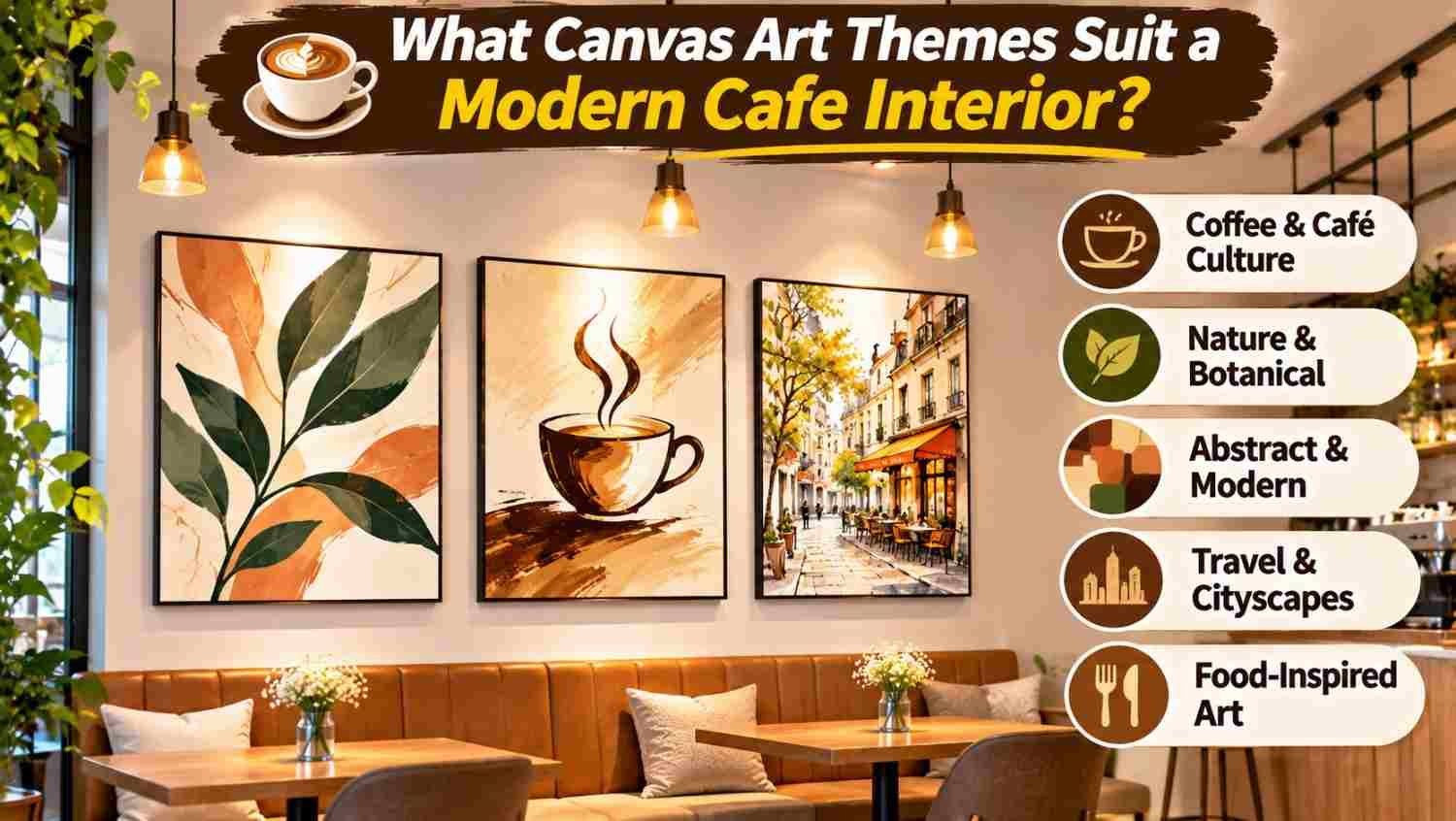
How the Cafe Concept Influences Canvas Art Selection?
Begin with the existing interior rather than an independent collection of attractive paintings. Timber furniture, concrete walls, upholstered seating, decorative tiles and counter finishes all influence the appearance of nearby artwork.
Identify the Visual Identity
A cafe specialising in regional cuisine might incorporate contemporary interpretations of local artistic traditions. In contrast, a coffee shop with exposed brickwork and industrial furniture might favour architectural illustrations or monochrome urban imagery. The artwork should support the concept without duplicating every decorative feature.
Consider the Intended Customer Experience
Reading corners and informal meeting areas often benefit from uncomplicated compositions. Meanwhile, social seating areas can accommodate more expressive designs. Consider the activities associated with each zone and adjust the visual intensity accordingly.
Abstract and Minimalist Canvas Art for Modern Cafes
These two styles offer considerable flexibility because neither requires a literal connection with the menu. Their suitability depends largely on the composition and surrounding interior details.
Abstract Canvas Paintings
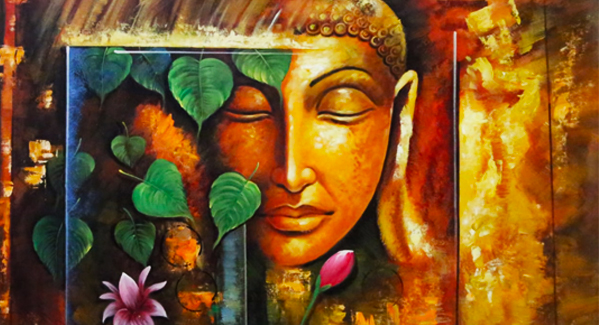
Fluid shapes, expressive brushwork and layered colours can introduce movement against plain walls. For example, an abstract painting with rust, cream and charcoal tones may complement terracotta upholstery and dark metal furniture.
However, strongly contrasting artwork can compete with patterned flooring or decorative lighting. In these interiors, choose abstractions with fewer colours or softer transitions. Textured abstract compositions also deserve consideration where directional lighting can reveal surface details without producing distracting shadows.
Minimalist Canvas Paintings
Line drawings, simple silhouettes and monochromatic shapes complement restrained commercial interiors. Negative space, which refers to relatively empty areas within a composition, gives individual forms room to stand apart. Select artwork with sufficient scale and definition so that a minimalist arrangement looks intentional rather than incomplete.
Botanical and Culinary Canvas Art Themes
Nature and culinary subjects offer recognisable imagery that can connect the cafe’s decorative choices with its materials or menu concept.
Botanical and Nature-Inspired Paintings
Tropical foliage, botanical studies, woodland scenes and mountain landscapes work well with timber, stone and woven furnishings. Organic shapes can also provide contrast against furniture with rigid architectural lines.
If the cafe already contains abundant indoor plants, consider a restrained leaf illustration instead of dense foliage imagery. Alternatively, choose a landscape that introduces distant scenery and a different scale of natural detail.
Coffee-Inspired and Culinary Artwork
Paintings featuring coffee beans, brewing equipment, ceramic vessels or desserts can support a cafe’s speciality. A carefully composed still life may work particularly well beside a dining area or on a suitable counter-adjacent wall.
Nevertheless, repeating coffee cups and brewing illustrations throughout the premises can make the decor predictable. Consider whether culinary artwork contributes something distinct beyond the menu boards and visible equipment.
Geometric, Urban and Architectural Canvas Art
Structured artwork can complement architectural features, in cafes with modular furniture, metal fixtures and exposed construction materials.
Geometric Canvas Paintings
Circular forms can soften the visual effect of angular furniture, whereas repeated rectangular shapes can echo shelving and wall panelling. Choose symmetrical arrangements for walls where neighbouring elements already establish a strong central axis.
Although geometric artwork can complement decorative tiles, dense patterns may compete. Vary the scale of the patterns or select a composition with larger uninterrupted colour areas.
Urban and Architectural Paintings
City skylines, street scenes and architectural sketches suit many industrial and contemporary cafe concepts. Recognisable local streetscapes can establish a connection with the surrounding neighbourhood. International city imagery may also suit a particular concept, provided it relates meaningfully to the establishment rather than introducing an arbitrary destination theme.
Traditional Indian, Vintage and Typography Canvas Art
Modern hospitality interiors can accommodate artwork that draws upon cultural traditions, historical imagery and carefully considered lettering. These approaches offer alternatives to generic contemporary decoration.
Traditional Indian Canvas Paintings
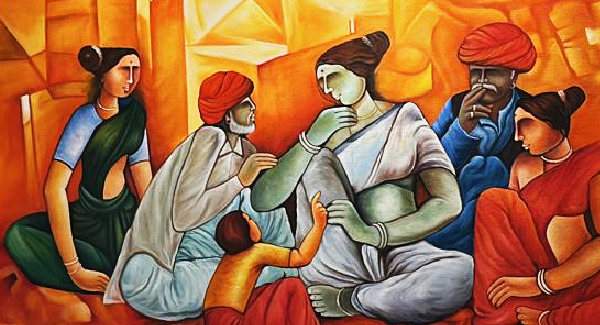
Madhubani, Gond and Warli traditions offer distinct artistic characteristics that can inspire decorative choices. A restrained colour palette and slim frame can help culturally inspired artwork coexist with contemporary furniture.
When purchasing such pieces, distinguish original traditional paintings from commercial reproductions and contemporary interpretations. Accurate descriptions help cafe owners represent the artwork and its origins responsibly.
Vintage and Retro Canvas Artwork
Travel illustrations, historical streetscapes and classic still-life compositions can complement warm timber finishes and selected industrial elements. Rather than converting the entire interior into a period setting, introduce a few nostalgic pieces that share colours with modern furnishings.
Typography-Based Canvas Paintings
Short, original phrases and thoughtfully designed lettering may suit concept-driven cafes. Prioritise legibility and avoid placing lengthy text where customers only have a brief viewing opportunity. Obtain appropriate permissions when incorporating protected creative material.
Choose Artwork According to the Cafe’s Interior Style
Some combinations work particularly well because the artwork responds to the physical characteristics of the room. Consider these practical approaches:
-
Minimalist interiors: Pair neutral line drawings with one substantial abstract composition to establish emphasis without crowding plain walls.
-
Industrial interiors: Combine monochrome architectural imagery with a controlled rust or copper accent that relates to exposed materials.
-
Contemporary luxury interiors: Select carefully proportioned abstract paintings with refined framing and a limited palette that complements substantial furniture.
-
Nature-inspired interiors: Combine botanical studies with open landscape compositions to introduce variety alongside natural materials.
-
Eclectic interiors: Connect contrasting artwork styles through recurring colours, related frame finishes or comparable tonal intensity.
Assess the entire room from the entrance before finalising combinations. Two paintings may complement each other individually yet compete when customers see both alongside other prominent decorative features.
Select Canvas Art Colours That Complement Cafe Interiors
Start with permanent finishes such as flooring, wall paint, countertops and upholstery. These elements provide a more reliable basis for colour coordination than accessories that staff frequently move or replace.
Warm timber and brick finishes may complement cream, olive, terracotta or muted blue artwork. In contrast, grey concrete surfaces can support warmer accent colours that distinguish paintings from surrounding walls.
Repeat one or two existing shades rather than matching every furniture colour. A painting containing burgundy accents, for example, could connect with upholstered seating while introducing beige and charcoal for variation.
Bold contrasts work well when owners want a particular painting to command attention. However, reserve the strongest contrasts for selected locations so customers can distinguish the primary focal point from supporting decoration.
Determine the Right Canvas Painting Size and Orientation
Measure the usable display area rather than the entire wall. Account for shelves, switches, light fittings, windows, door frames and furniture before selecting canvas dimensions.
Large Statement Paintings
A broad canvas can establish emphasis above a long banquette or on an uninterrupted entrance wall. For example, a painting measuring 150 centimetres across might suit a seating arrangement spanning 240 centimetres. Surrounding fixtures and viewing distance may require different proportions.
Small and Medium Paintings
Smaller artwork suits individual booths, narrow wall sections and reading corners. Alternatively, group several pieces when a single small canvas would appear isolated on a broad wall.
Horizontal paintings complement long seating arrangements, while portrait formats suit narrow architectural sections. Square canvases offer balanced proportions for compact spaces between fixtures. Test paper templates before ordering unfamiliar sizes.
Where to Display Canvas Paintings in a Modern Cafe?
Artwork placement should accommodate customer movement and staff responsibilities. Establish a primary decorative focal point before selecting secondary display areas.
-
Entrance walls: Choose imagery that communicates the cafe concept without obstructing essential directional information.
-
Main seating areas: Align artwork with furniture groupings and consider how customers view it from opposite seats.
-
Waiting areas: Select compositions with details that visitors can appreciate while waiting for orders.
-
Reading corners: Use artwork that complements bookshelves without competing with their varied colours and shapes.
-
Counter-adjacent walls: Keep paintings away from concentrated heat, splashes and operational equipment.
For grouped artwork, calculate the combined dimensions, including gaps. Maintain deliberate alignment and keep frames clear of door movement, customer circulation routes and cleaning activities. Secure mounting matters especially where customers sit directly beneath paintings.
How Lighting Influences Canvas Art in Cafe Interiors?
Evaluate potential artwork under normal operating conditions. Daylight may reveal colours differently from warm pendant lighting, while directional fixtures can emphasise canvas texture.
Glossy surfaces may produce reflections from windows or overhead lights. Matte finishes generally reduce noticeable glare under comparable conditions. Nevertheless, the positioning of each fixture also influences visibility.
Inspect paintings from seated and standing positions. Avoid prolonged direct sunlight where possible because repeated exposure can contribute to fading or material deterioration. Adjust placement before adding lighting.
Consider Canvas Materials, Frames and Commercial Maintenance
Cotton, polyester and blended canvases offer different surface characteristics. Their suitability depends on construction, printing or painting methods, finishes and environmental exposure rather than fabric type alone.
Frameless canvases provide a clean outline, while wooden or metallic frames can repeat finishes from furniture and fixtures. Floating frames introduce a visible gap around the canvas, although their external dimensions and projection require consideration.
Choose dry display locations away from cooking grease, persistent steam and concentrated heat. Protective coatings do not automatically provide waterproof or grease-resistant performance.
Review care instructions and assign suitable inspection responsibilities to staff. Heavily textured paintings may present more complicated maintenance requirements than smoother artwork. Avoid water, abrasive materials and household cleaning products unless specific care instructions permit their use.
Common Mistakes When Selecting Canvas Art for Cafes
Avoid these errors before committing to a decorative arrangement:
-
Unrelated themes: Select subjects that connect with the cafe concept or surrounding materials.
-
Excessive visual contrast: Reserve intense colours for selected compositions rather than every wall.
-
Disproportionate artwork: Compare actual canvas measurements with furniture and usable wall space.
-
Poor visibility: Examine proposed locations from customer seating and entrance positions.
-
Competing focal points: Give statement artwork sufficient separation from prominent lighting and decorative features.
-
Unsuitable locations: Avoid areas that regularly experience moisture, grease or accidental contact.
-
Inadequate specifications: Confirm artwork weight, frame projection and installation requirements before ordering.
What Cafe Owners Should Check Before Purchasing Canvas Art Online?
Cafe owners who buy canvas painting online in India should evaluate shortlisted designs against interior photographs, recorded wall measurements and lighting conditions.
Check the following details before ordering:
-
Size and orientation: Confirm canvas dimensions and overall framed measurements.
-
Materials and finish: Review canvas fabric, surface texture and frame construction.
-
Colour accuracy: Examine detailed photographs and account for screen colour differences.
-
Installation: Confirm artwork weight, supplied hardware and suitable mounting methods.
-
Reproduction quality: Request information about print clarity, artistic attribution and applicable commercial usage permissions.
-
Maintenance and delivery: Review care instructions, packaging arrangements and return or replacement conditions.
Conclusion
The most suitable canvas art themes for modern cafes complement the establishment’s concept, furniture, colour palette and customer-facing spaces. Abstract, botanical, cultural and urban compositions offer distinct decorative opportunities, while appropriate sizing and placement establish visual balance. Consider lighting, environmental exposure, framing and maintenance before selecting paintings. Compare shortlisted artwork against photographs and measurements of the complete interior to create a coherent arrangement that accommodates everyday commercial operations.
Frequently Asked Questions
1. What canvas art themes work best in a modern cafe?
Abstract, botanical, minimalist and geometric themes suit many modern cafes, while urban and culturally inspired paintings can support more distinctive concepts. Choose artwork according to the establishment’s furniture, architectural finishes and menu identity. Consider whether the theme will remain relevant if the cafe later updates its furnishings or menu presentation.
2. Are abstract canvas paintings suitable for coffee shop interiors?
Yes, abstract paintings suit coffee shops because their colours and shapes can complement the interior without depicting food or beverages. Choose an expressive composition for a prominent feature wall or a restrained design for a smaller seating area. Consider the artwork’s contrast against nearby menus, light fixtures and furniture.
3. Which canvas art colours complement minimalist cafes?
Cream, charcoal, warm beige, muted green and soft grey can complement minimalist interiors. However, a restrained setting can also accommodate a single bold accent colour. Compare the artwork with existing wall finishes to ensure that individual shapes remain visible, particularly when both the painting and surrounding surfaces feature similar tones.
4. Should cafe wall art match furniture and interior colours?
Artwork should complement furniture rather than reproduce every existing colour. Select one or two shades that relate to upholstery, timber finishes or decorative accessories. Introduce contrasting tones where the composition requires definition. This approach gives cafe owners flexibility when replacing chairs, cushions or other furnishings without redesigning the entire artwork collection.
5. Can traditional Indian paintings suit contemporary cafe interiors?
Yes, traditional Indian artwork can complement contemporary furniture and architectural finishes. Choose compositions with proportions and colours that suit the available display area. Owners can also introduce accurate artwork descriptions where cultural identity forms an important part of the concept. Avoid presenting modern reproductions as authentic handmade traditional pieces without verification.
6. Are coffee-themed canvas paintings necessary for modern cafes?
No, a modern cafe can establish a distinct decorative identity without coffee imagery. Landscape paintings, abstract compositions and architectural illustrations offer alternatives. If brewing equipment and menu graphics already communicate the speciality, artwork can introduce another dimension of the concept, such as regional culture, local architecture or an established artistic theme.
7. What canvas painting size suits a cafe feature wall?
The appropriate size depends on usable wall dimensions, ceiling height, furniture proportions and viewing distance. A large canvas may suit an uninterrupted wall, whereas several smaller pieces can accommodate architectural divisions. Before purchasing, mark the proposed dimensions with removable paper templates and check the arrangement from regular customer seating positions.
8. Which canvas art themes suit small cafe interiors?
Restrained abstract designs, line art and simple botanical compositions often suit compact cafes. However, a single expressive painting can also work if other decorative elements remain comparatively quiet. Consider the available viewing distance, since customers sitting close to the artwork may appreciate different levels of detail than visitors across the room.
9. How can cafe owners protect canvas paintings from dust, grease and moisture?
Place paintings away from cooking stations, washing areas and direct heat. Maintain suitable ventilation and follow product-specific care instructions during routine maintenance. If staff notice persistent grease deposits or surface changes, reconsider the artwork location and seek appropriate cleaning advice rather than applying unfamiliar detergents that could damage the finish.
10. What should cafe owners check before purchasing canvas paintings online?
Confirm dimensions, material specifications, surface finishes, frame construction and mounting requirements. Review detailed product photographs, care instructions and delivery conditions. For commissioned designs or reproductions, clarify artistic attribution and any relevant commercial usage permissions. Check return eligibility carefully, especially when the order involves customised dimensions or artwork created specifically for the premises.
